Anti Tarnish Jewellery
Anti-Tarnish Jewellery
Budget-friendly jewellery · starting from ₹225
Almost Gone
Last pieces in this edit — once they’re gone, they’re gone.

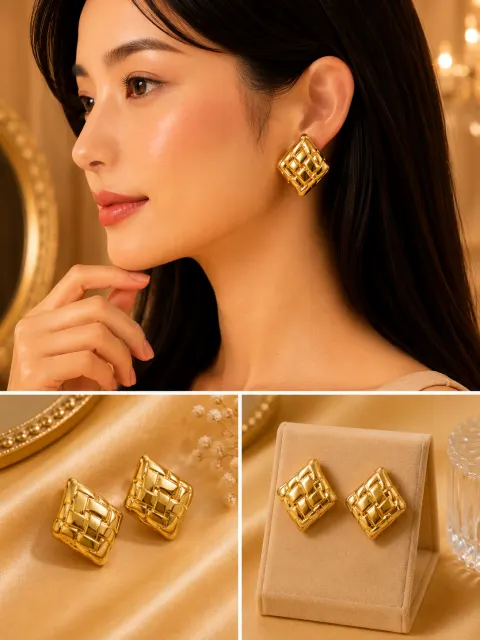


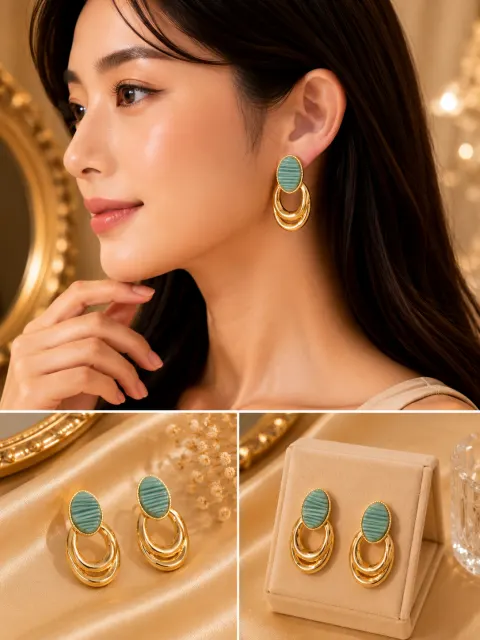


Galloria


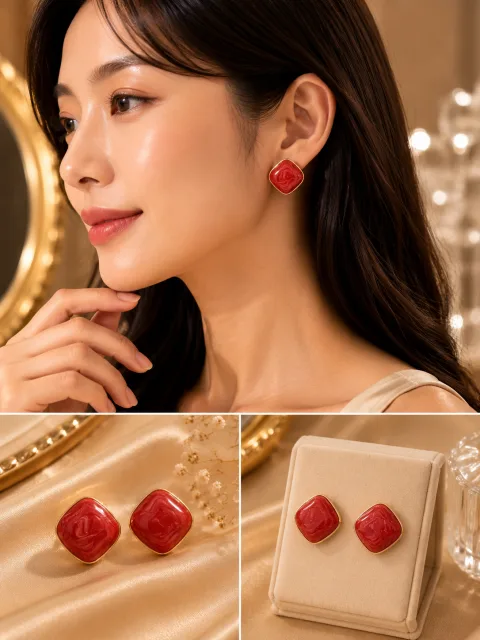
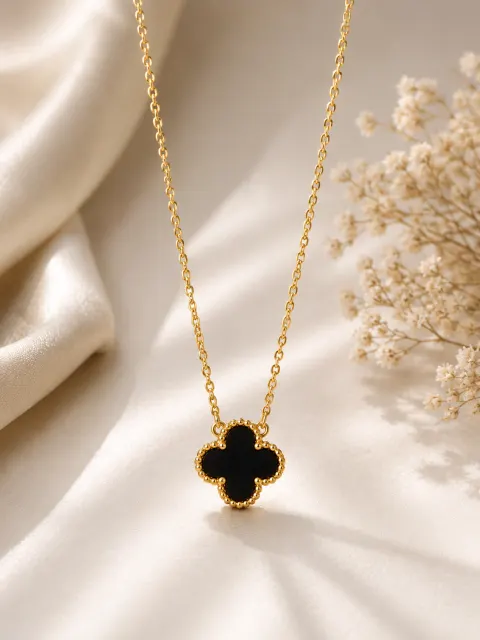




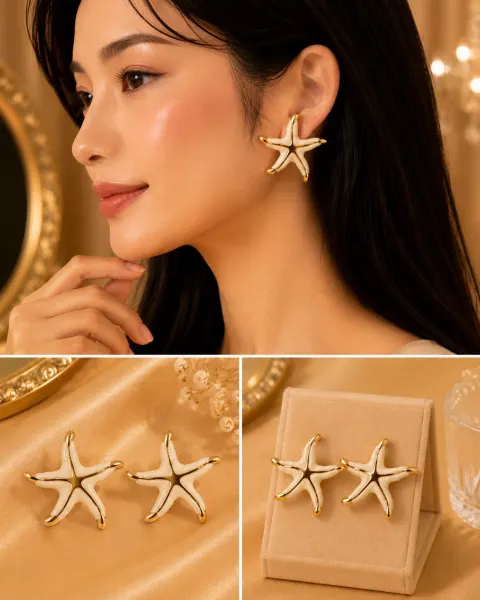

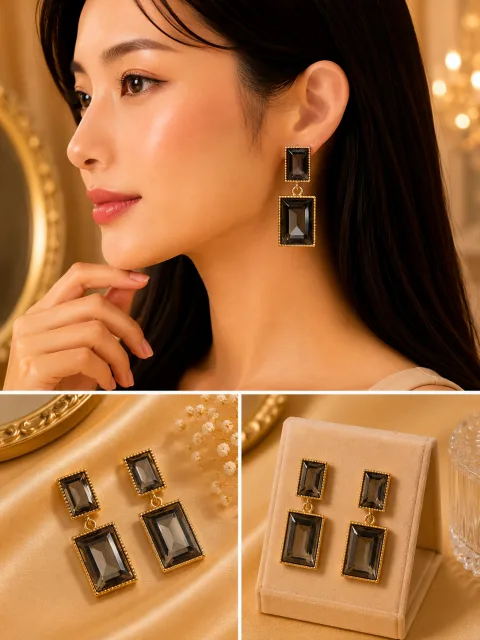

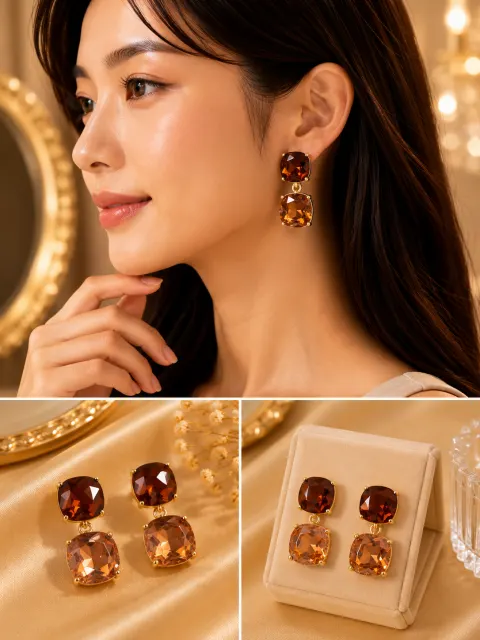
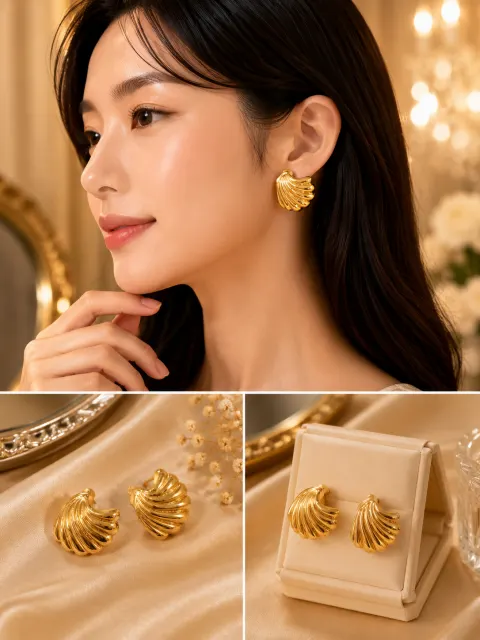

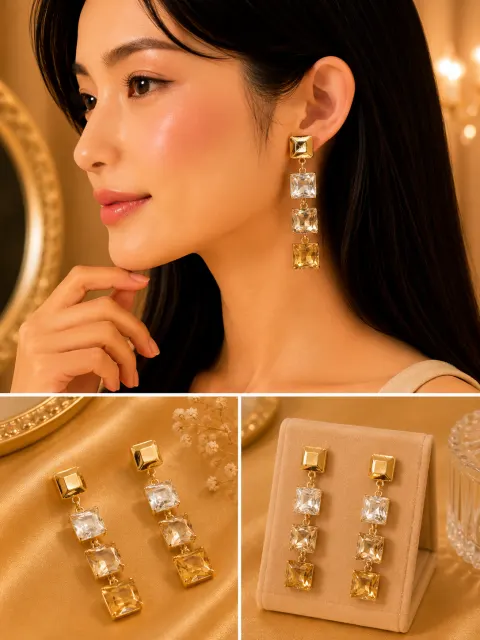


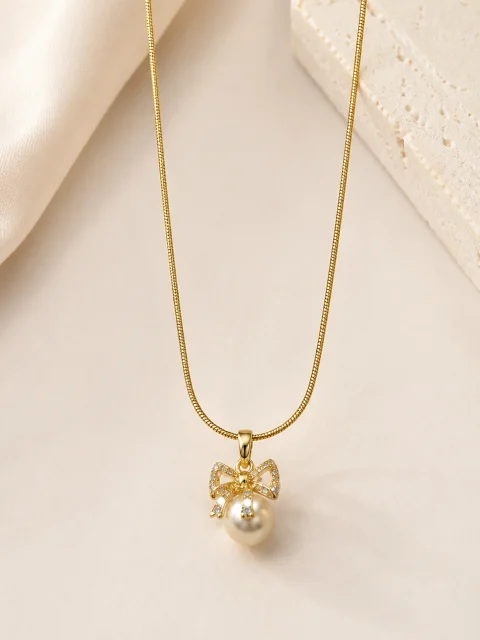
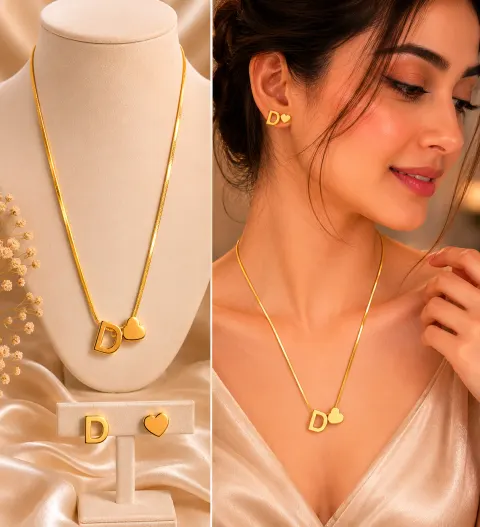

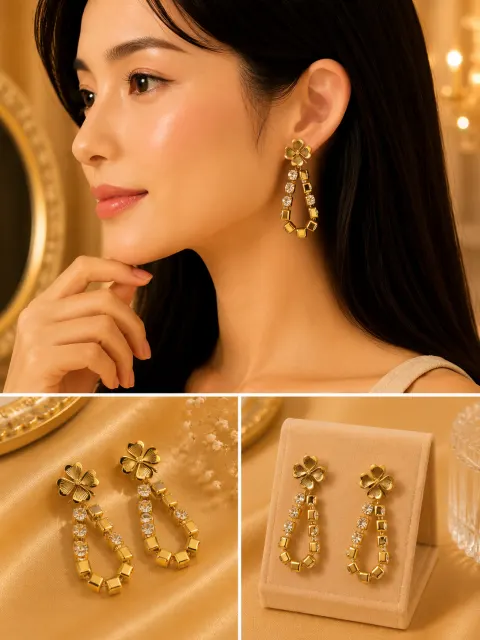


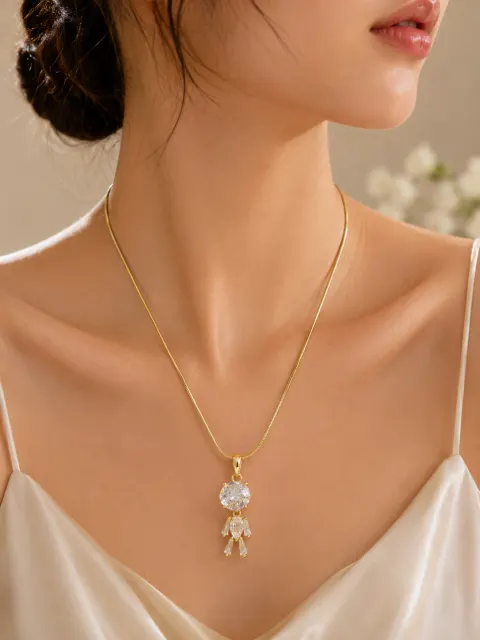

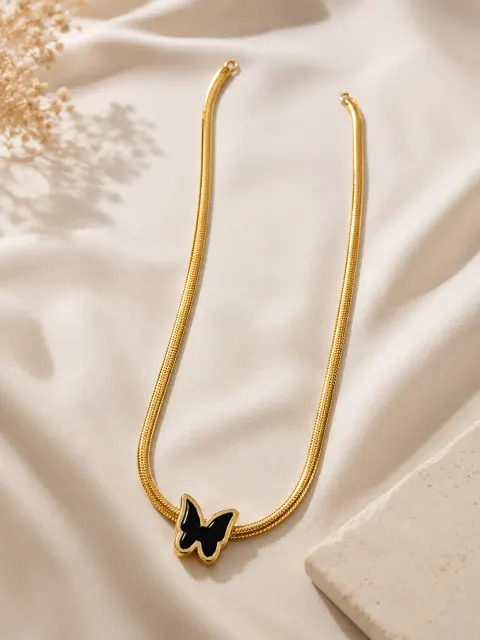
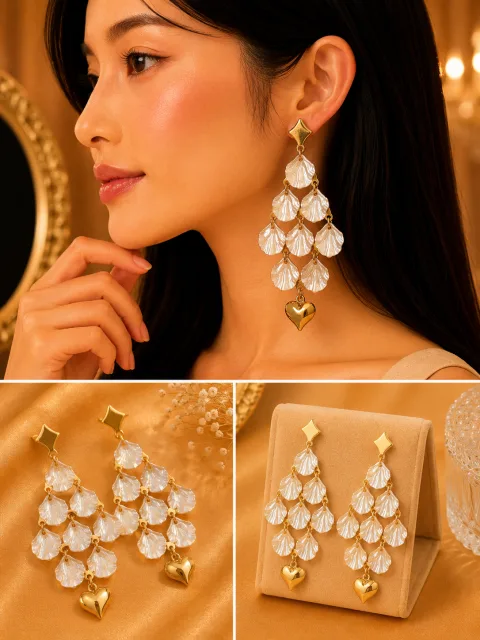
Galloria


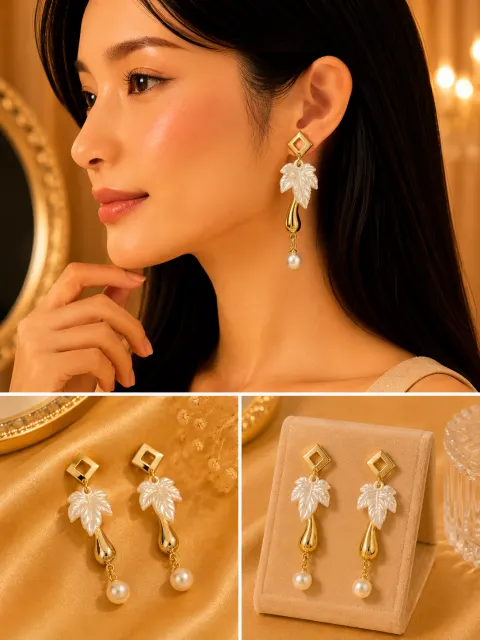

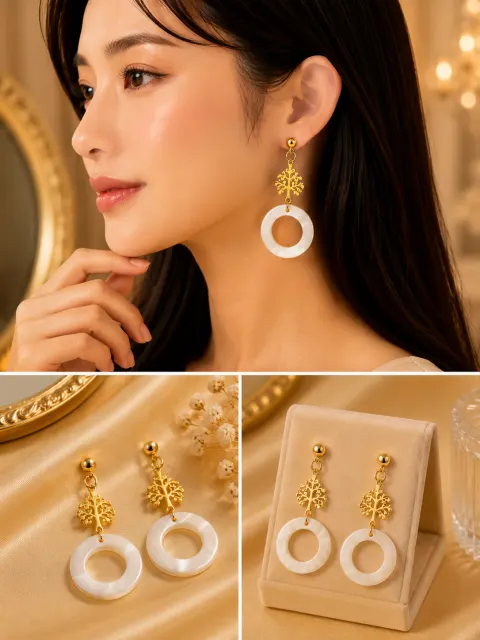
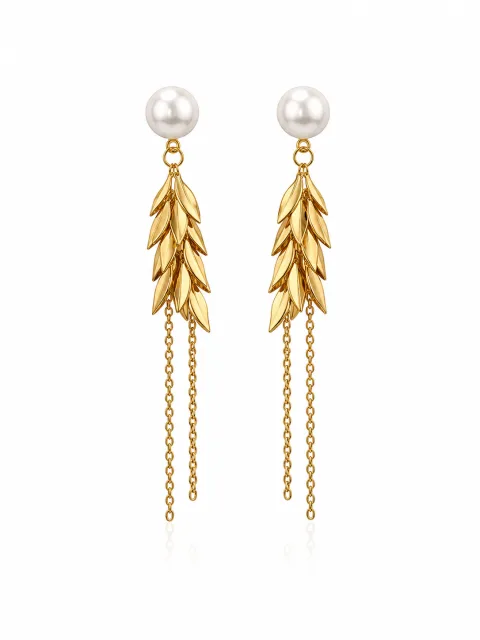
Galloria

Galloria
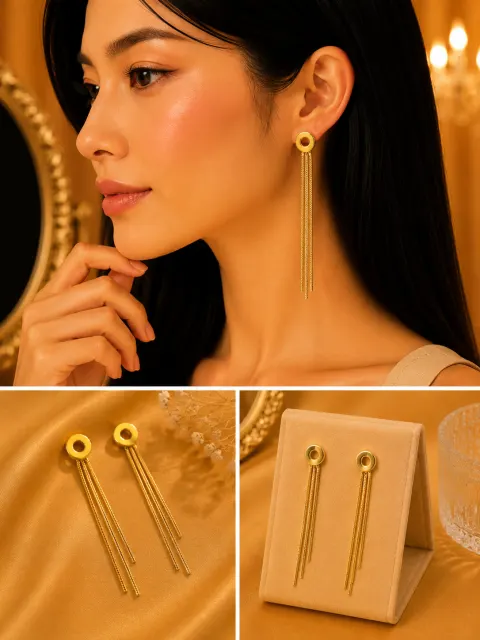


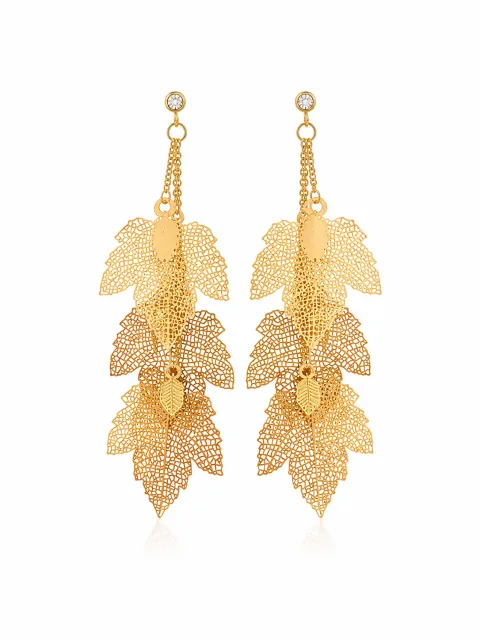
Galloria
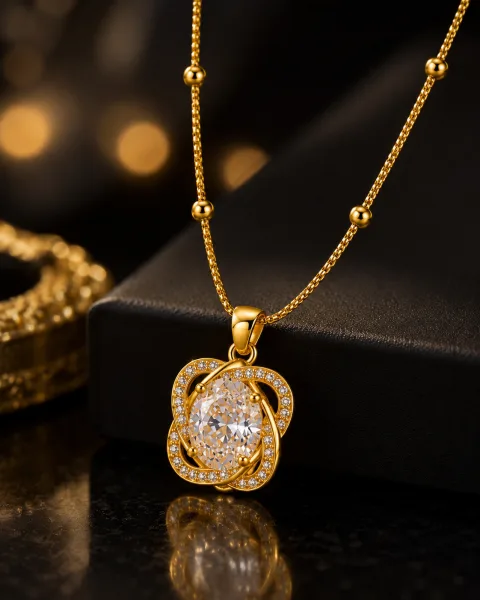


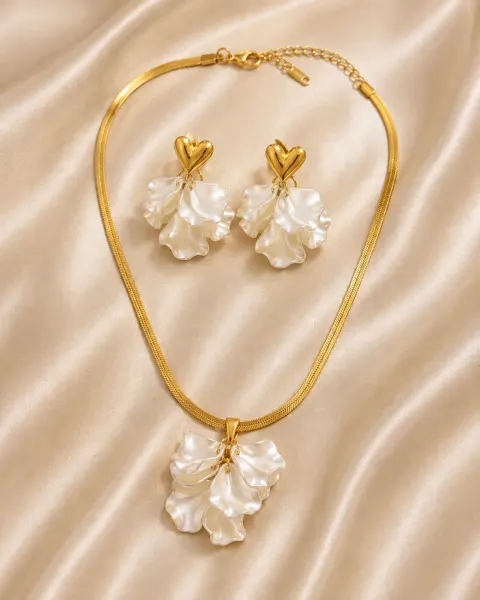
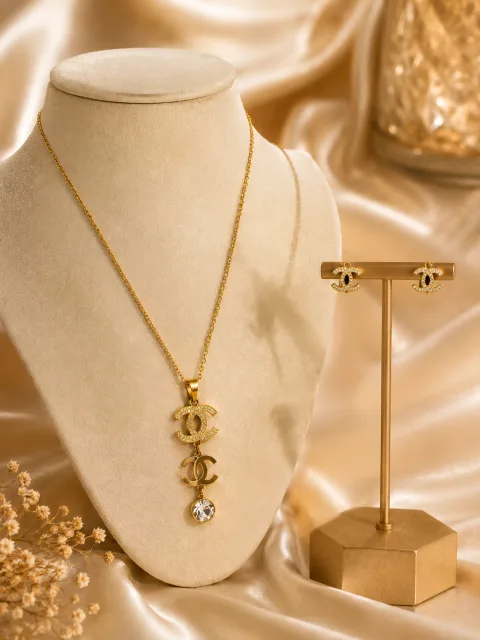

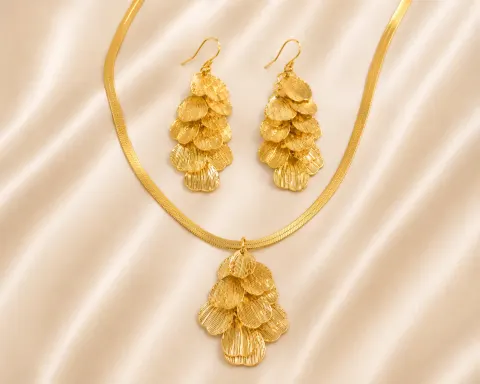

Galloria Collections
Explore other categories
Continue shopping across Galloria’s collections.
About Anti-Tarnish Jewellery
Anti-tarnish jewellery exists for the woman whose life does not pause between ceremonies — who wants reliable shine for office days, travel weeks, brunch gatherings, and the many small occasions that still deserve a finished look. Galloria’s Anti-Tarnish Jewellery edit focuses on pieces engineered to resist the dulling that humidity, perfume, and daily sweat inflict on ordinary fashion metals, without asking you to reserve your jewellery box for wedding weeks alone.
“Anti-tarnish” is a performance claim about finish and alloy behaviour, not a mystical forever guarantee. The best pieces combine thoughtful base metals, protective coatings, and designs you will actually wear often enough to justify ownership. We curate earrings, chains, bangles, and sets that layer cleanly with both ethnic and contemporary outfits — because real wardrobes move between kurtis, co-ords, western separates, and sarees.
Use this guide to understand what anti-tarnish can and cannot do, how to extend coating life, and how to style everyday metal so it still feels like Galloria: refined, intentional, never careless. When the invitation turns bridal, step up into our premium jewellery edit; for everything between, let anti-tarnish pieces be your quiet constant.
Occasions
- Everyday elevates
- Office festive wear
- Travel days
- Brunches
- Light celebrations
- Multi-day wedding logistics
Buying guide
What anti-tarnish actually means
It typically indicates alloys and/or surface treatments designed to slow oxidation and discolouration under normal wear. It does not mean indestructible, waterproof for swimming, or immune to chemical attack from chlorine and strong cosmetics. Buy anti-tarnish for better everyday resilience — then protect that finish with sensible habits. Read product details for material notes rather than assuming all ‘anti-tarnish’ pieces perform identically.
Design for frequency of wear
Everyday jewellery should clear sleeves, sit comfortably under masks or scarves if you use them, and avoid ultra-sharp edges that catch on dupattas. Lightweight earrings you forget you are wearing will outperform dramatic pieces you leave in the box. Choose versatile lengths of chains and studs that work with both open necklines and collared kurtis.
Finish quality over trend spikes
Inspect plating evenness, clasp strength, and the smoothness of earring posts. A slightly simpler design with excellent finishing beats a trendy shape with rough edges. Look for secure joins on chained pieces. Galloria prefers anti-tarnish jewellery that still looks intentional in close-up — because everyday pieces live near the face in every video call and photograph.
Build a modular everyday system
Start with one reliable stud, one mid-length necklace, one bracelet or bangle stack base, and one pair of slightly dressier earrings for dinners. This small system covers more outfits than a dozen near-identical trendy pieces. Add seasonal colour only after the neutrals work hard.
Ethnic and western crossover
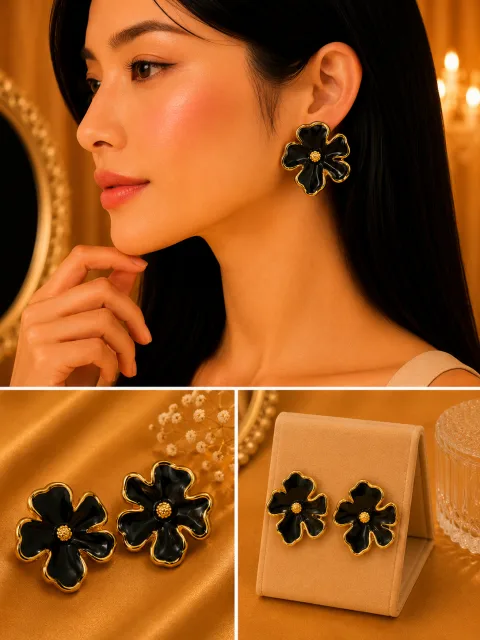
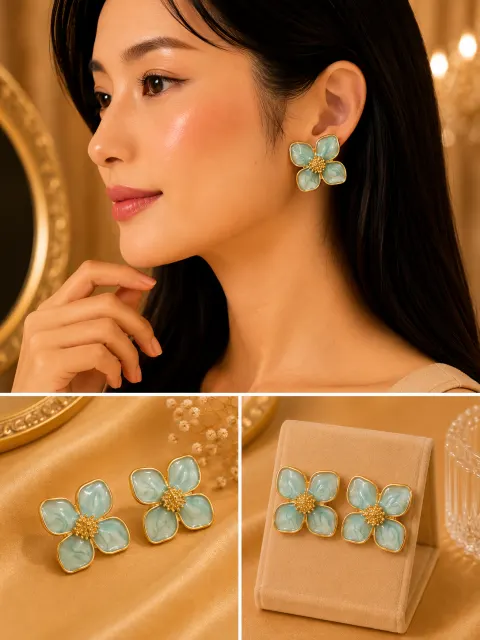
The power of anti-tarnish jewellery is crossover: wear the same earrings from a designer kurti day to an evening co-ord. Prefer clean geometries and refined florals that do not lock you into a single occasion code. When you need ceremonial weight, layer carefully or switch to premium sets rather than forcing everyday pieces to pretend they are bridal.
Value measured in wears per month
Price-to-value for anti-tarnish jewellery is honestly calculated by how often you reach for it. A moderately priced pair worn weekly outperforms an expensive piece worn twice a year. Choose comfort and finish first; let trend be a secondary filter.
Material guide
- Anti-tarnish coated brass
- A common high-performing base for fashion jewellery when coating quality is strong. Offers design flexibility and everyday resilience with proper care.
- Anti-tarnish alloy blends
- Engineered metal mixes aimed at slower discolouration. Performance varies by maker — finishing and sealing matter as much as the alloy name.
- Gold-tone durable plating
- Warm finishes suited to Indian ethnic wear and daily outfits. Avoid abrasive polishing that thins the plate.
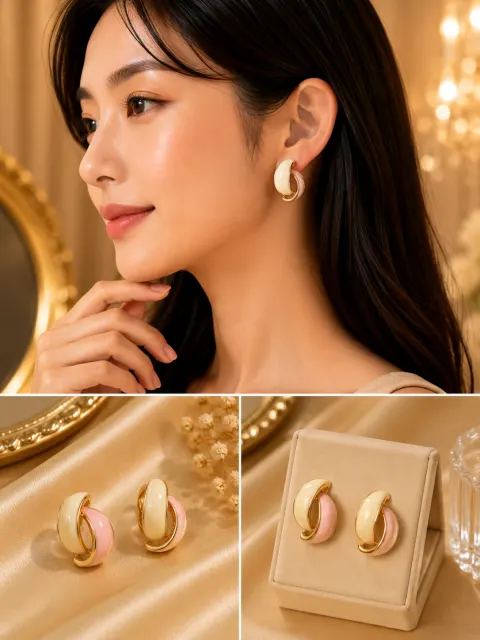
- Rose-gold and soft pastel tones
- Flattering on many skin undertones and contemporary outfits; excellent for designer sarees and modern co-ords.
- Silver-tone anti-tarnish finishes
- Cool luminosity for western wear, oxidised-adjacent looks without true oxidised maintenance, and modern ethnic minimalism.
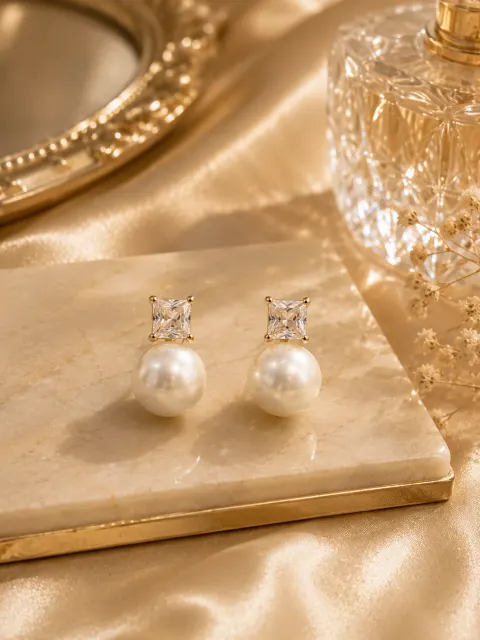
- American diamond / CZ everyday settings
- Add light for dinners and festive office wear. Choose secure bezels or well-finished prongs for pieces you wear often.
- Pearl and faux-pearl accents
- Softens metal for daytime elegance. Keep pearls away from perfume sprays and store separately to avoid abrasion.
- Lightweight structured metals
- Hollow or thoughtfully engineered forms that look substantial while remaining comfortable for all-day earrings and chokers.
Care guide
- Put jewellery on last — after sunscreen, perfume, and makeup have dried — to protect coatings.
- Remove pieces before swimming, gym sessions, heavy sweating, or household cleaning with chemicals.
- Wipe with a soft dry cloth after wear; do not use abrasive pastes or lemon-salt hacks on coated jewellery.
- Store dry in individual pouches; humidity is the quiet enemy of even anti-tarnish finishes.
- Avoid spraying disinfectant or sanitiser directly onto metal and stones.
- If a piece gets wet, dry it thoroughly before returning it to the box — trapped moisture undermines coatings.
Styling tips
- Stack thin anti-tarnish bangles with one slightly thicker piece for a composed everyday arm story.
- Pair minimal studs with a designer kurti neckline that already carries embroidery — let the garment lead.
- For co-ord sets, match jewellery metal to zippers, buttons, or embroidery accents already in the outfit.
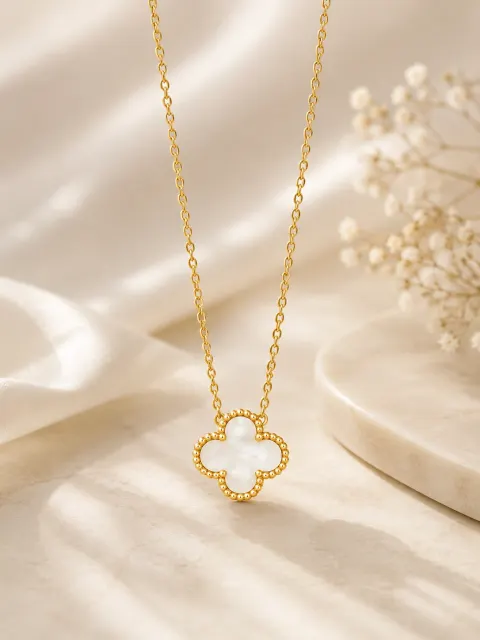
- Use a mid-length pendant to elongate straight-cut kurtis without needing a heavy bridal necklace.
- Keep one slightly dressier anti-tarnish earring pair ready for last-minute dinners — polish-free confidence.
- When mixing with premium jewellery for multi-day weddings, use anti-tarnish for daytime logistics and travel, premium for peak ceremonies.
Frequently asked questions
- Does anti-tarnish jewellery never change colour?
- It resists tarnish far better than untreated fashion metals under normal wear, but it is not immortal. Chlorine, heavy sweat, perfume, and abrasive cleaning can still degrade coatings. With sensible habits — last on, first off, soft cloth wipe, dry storage — anti-tarnish pieces keep their finish far longer for everyday use.
- Can I wear anti-tarnish jewellery in the shower?
- It is better not to. Water alone is less damaging than soaps, shampoos, and hard-water minerals that cling to metal and stones. Remove jewellery before bathing to extend plating life. If a piece gets wet accidentally, dry it completely before storage.
- Is anti-tarnish jewellery good for sensitive skin?
- Many people find quality coated pieces more comfortable than rough untreated alloys, but sensitivity is individual. If you react to certain metals, check product material notes and consider wearing pieces for a short test period. Earring posts and inner bracelet surfaces matter most for contact comfort.
- How is anti-tarnish jewellery different from premium bridal jewellery?
- Anti-tarnish focuses on everyday durability and frequent wear. Premium bridal jewellery focuses on ceremonial design language, statement scale, and occasion presence — often with techniques like kundan or polki. Many wardrobes need both: reliable daily pieces and elevated sets for major events.
- What anti-tarnish pieces should I buy first?
- Begin with versatile studs, a simple chain or short necklace, and one bracelet or bangle you will wear weekly. Add dressier earrings once the basics are in rotation. This order prevents a jewellery box full of statement pieces with nothing that works on ordinary mornings.
- Can anti-tarnish jewellery work with traditional sarees?
- Yes for daytime, travel, and lighter festive moments — especially refined earrings and elegant chokers. For heavy silk wedding rituals, you may still prefer premium statement sets. Think of anti-tarnish as the bridge between casual and ceremonial rather than a full bridal replacement.
- How do I clean anti-tarnish jewellery safely?
- Use a soft dry or slightly damp cloth, then dry fully. Avoid toothpaste, baking soda scrubs, and chemical dips that strip coatings. For detailed pieces, a soft brush used very gently can lift dust — never scrub stones aggressively. When in doubt, wipe less and store better.
- Will gym sweat ruin anti-tarnish jewellery?
- Repeated heavy sweat accelerates wear on coatings and can leave residue in settings. Remove jewellery before intense workouts. If you wore pieces through a humid day, wipe them before putting them away. Anti-tarnish helps with daily exposure; it is not a licence for sportswear use.