Kundan, Polki & Bridal Jewellery Sets
Premium Jewellery
Budget-friendly jewellery · starting from ₹299
Almost Gone
Last pieces in this edit — once they’re gone, they’re gone.
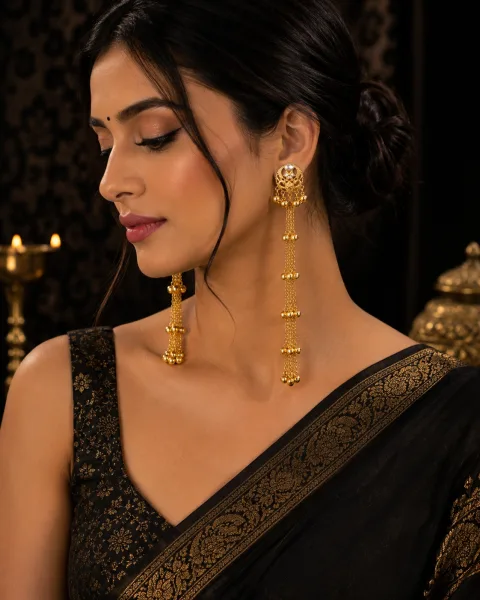
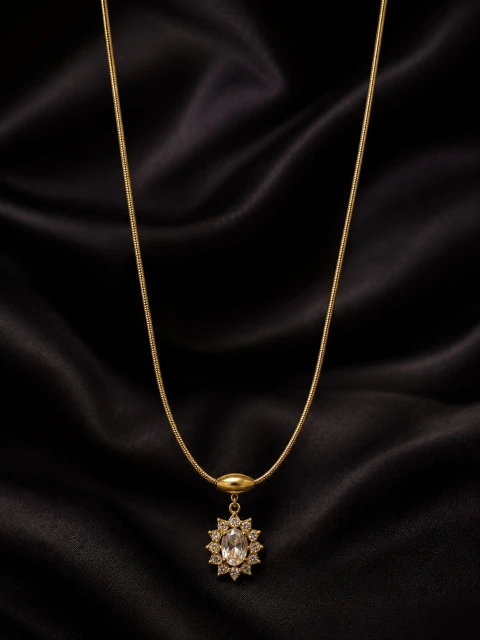
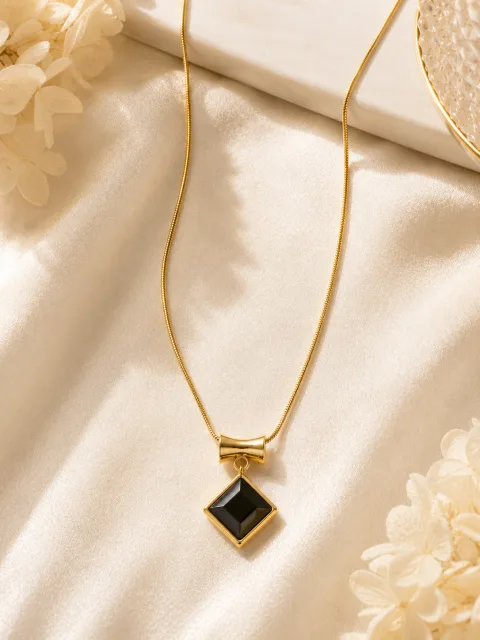
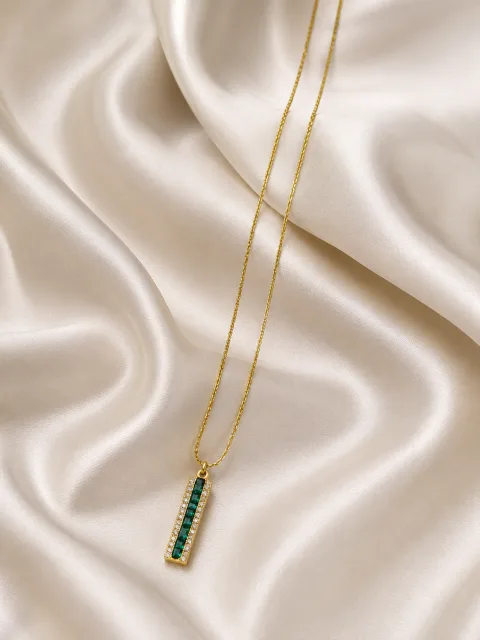
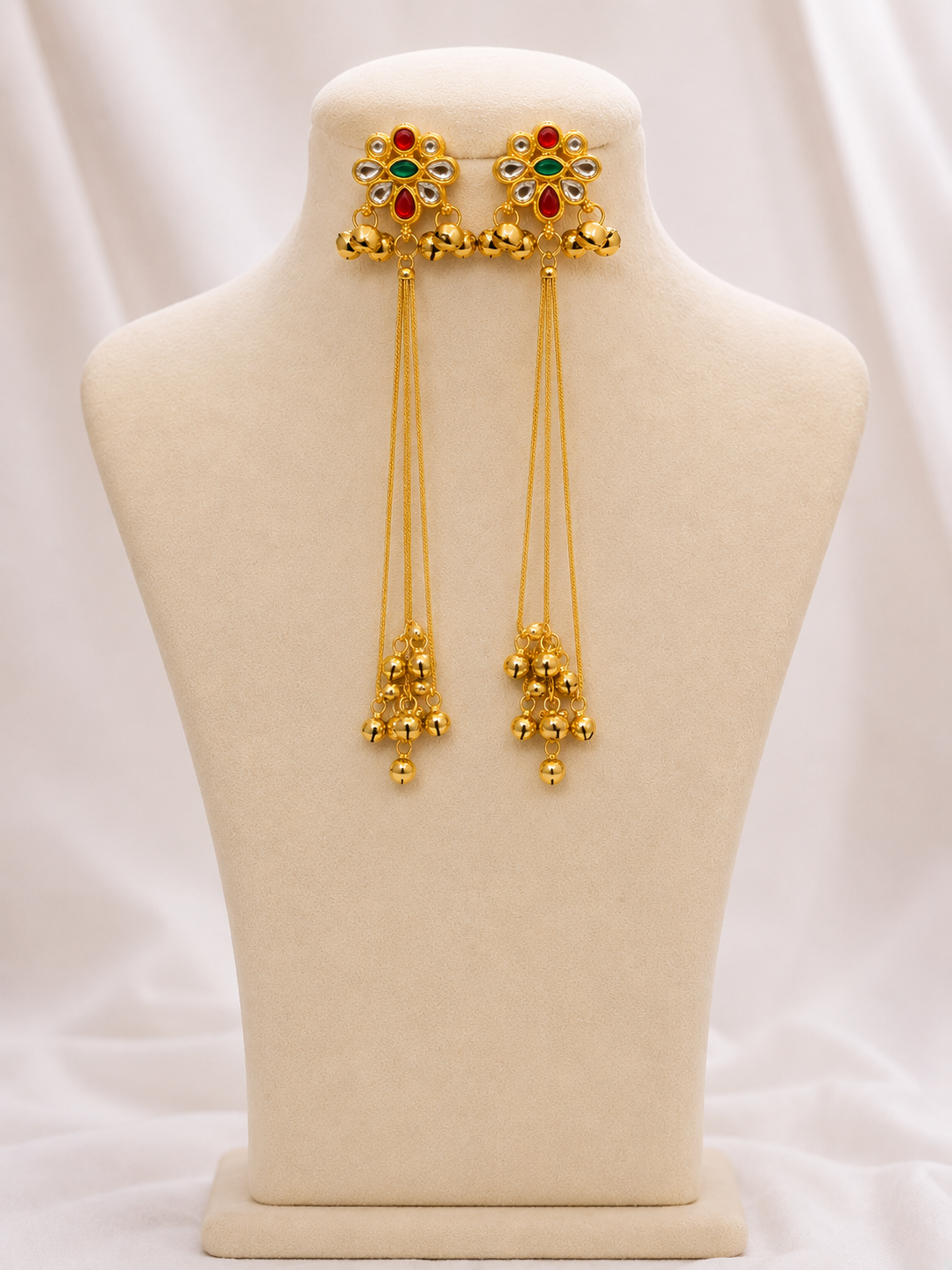
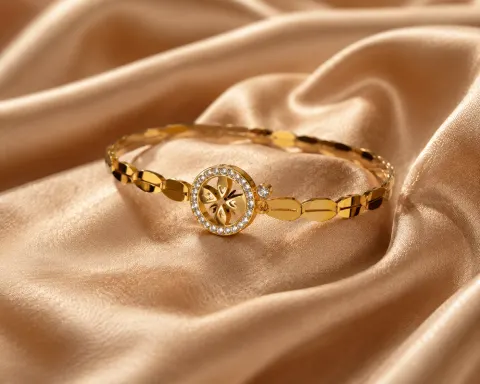
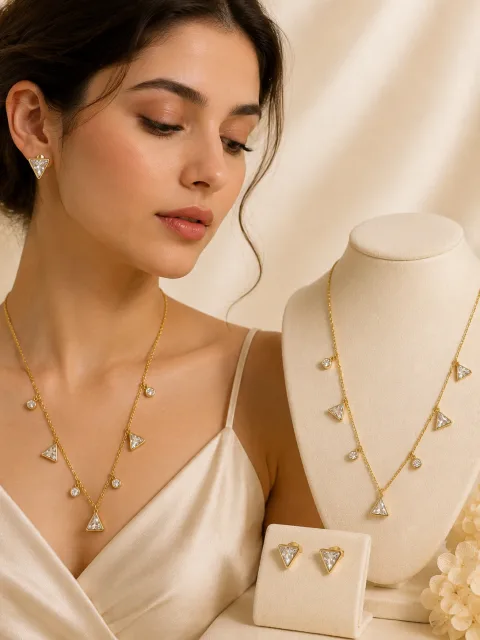
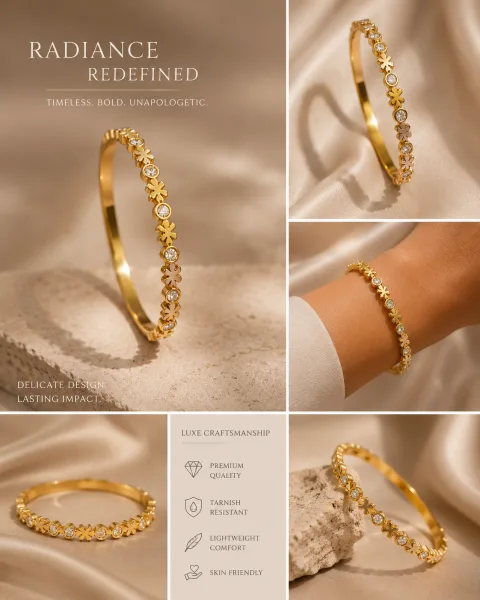
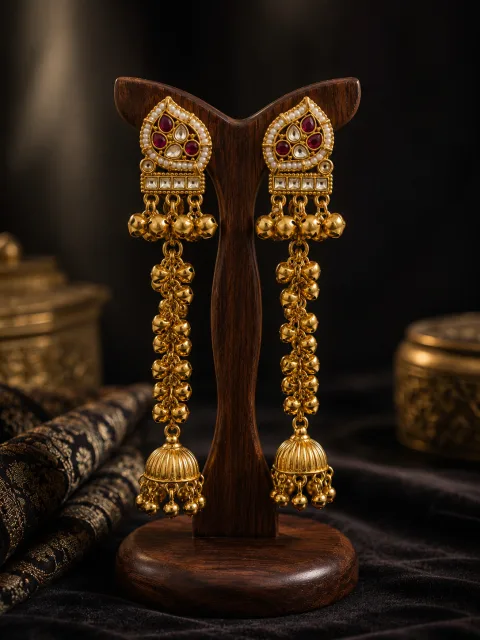
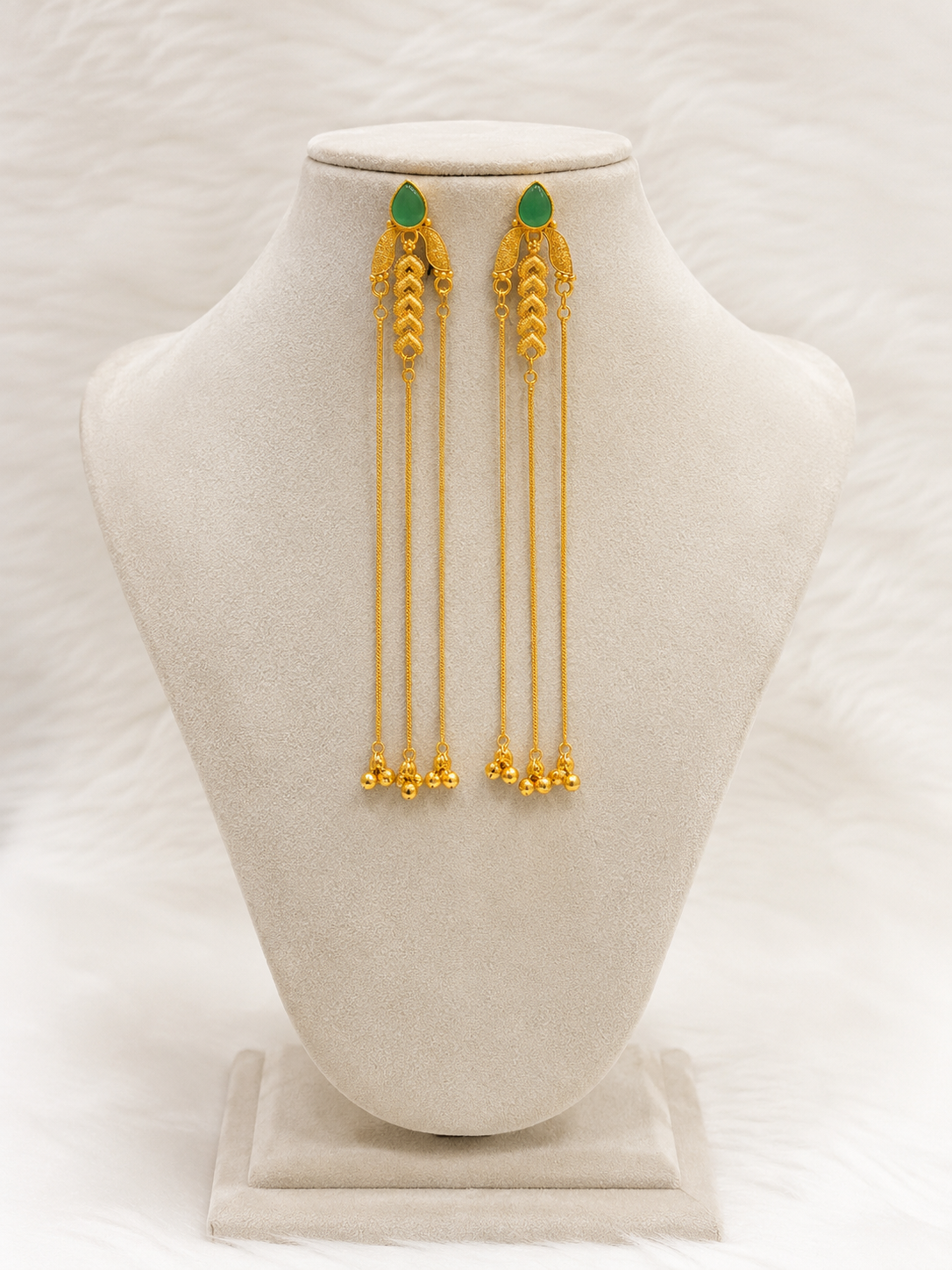
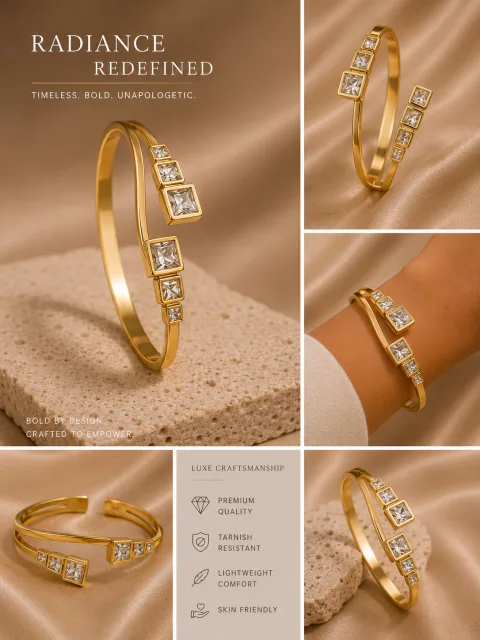
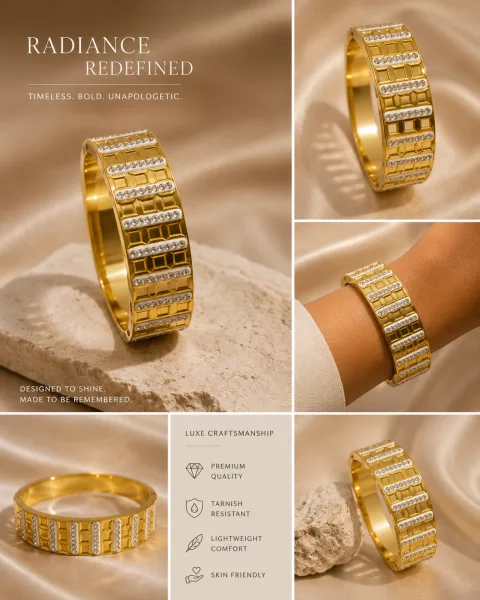
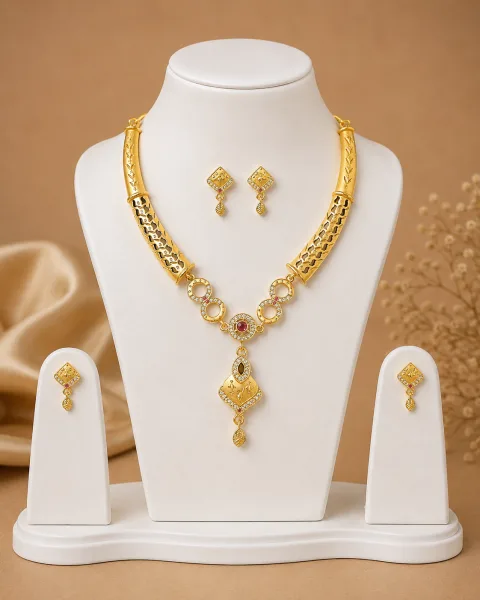
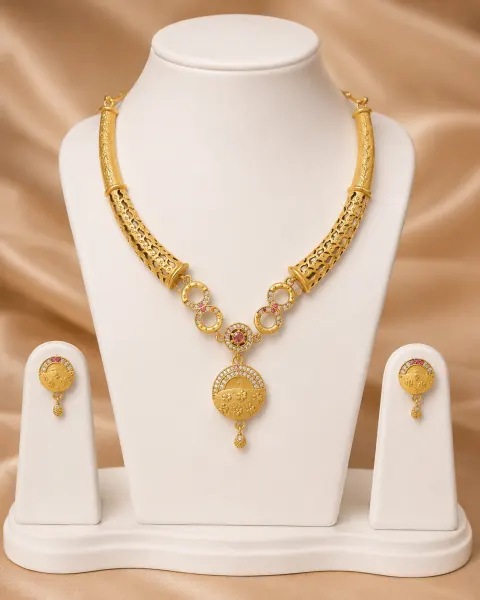
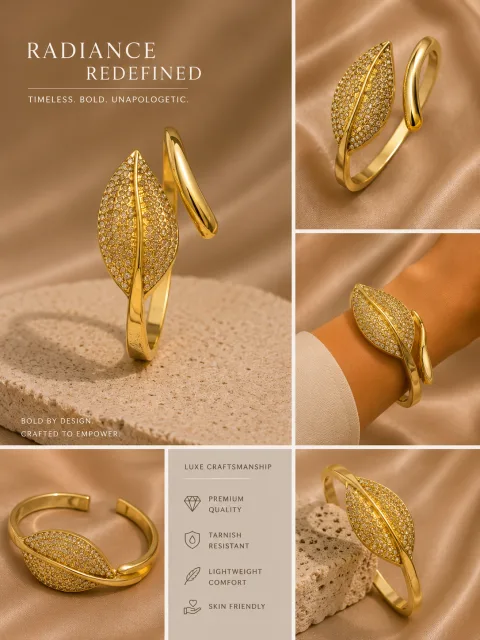
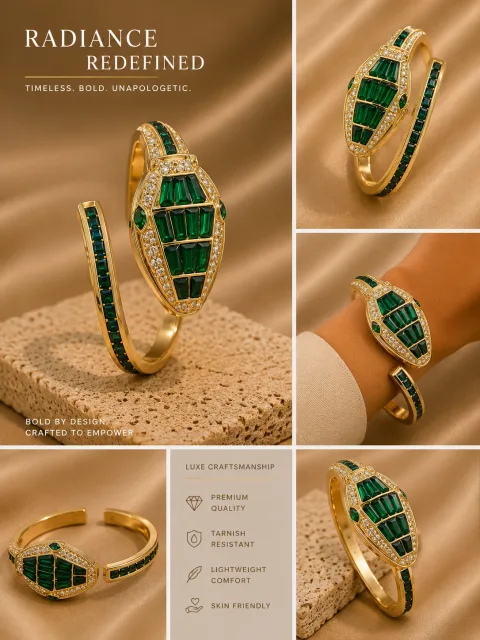
Galloria
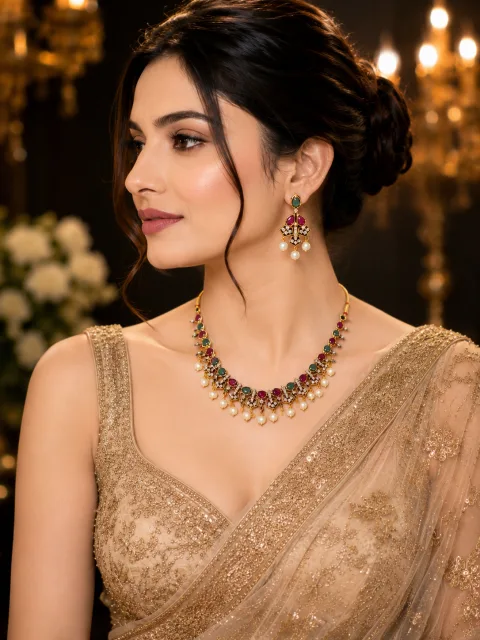
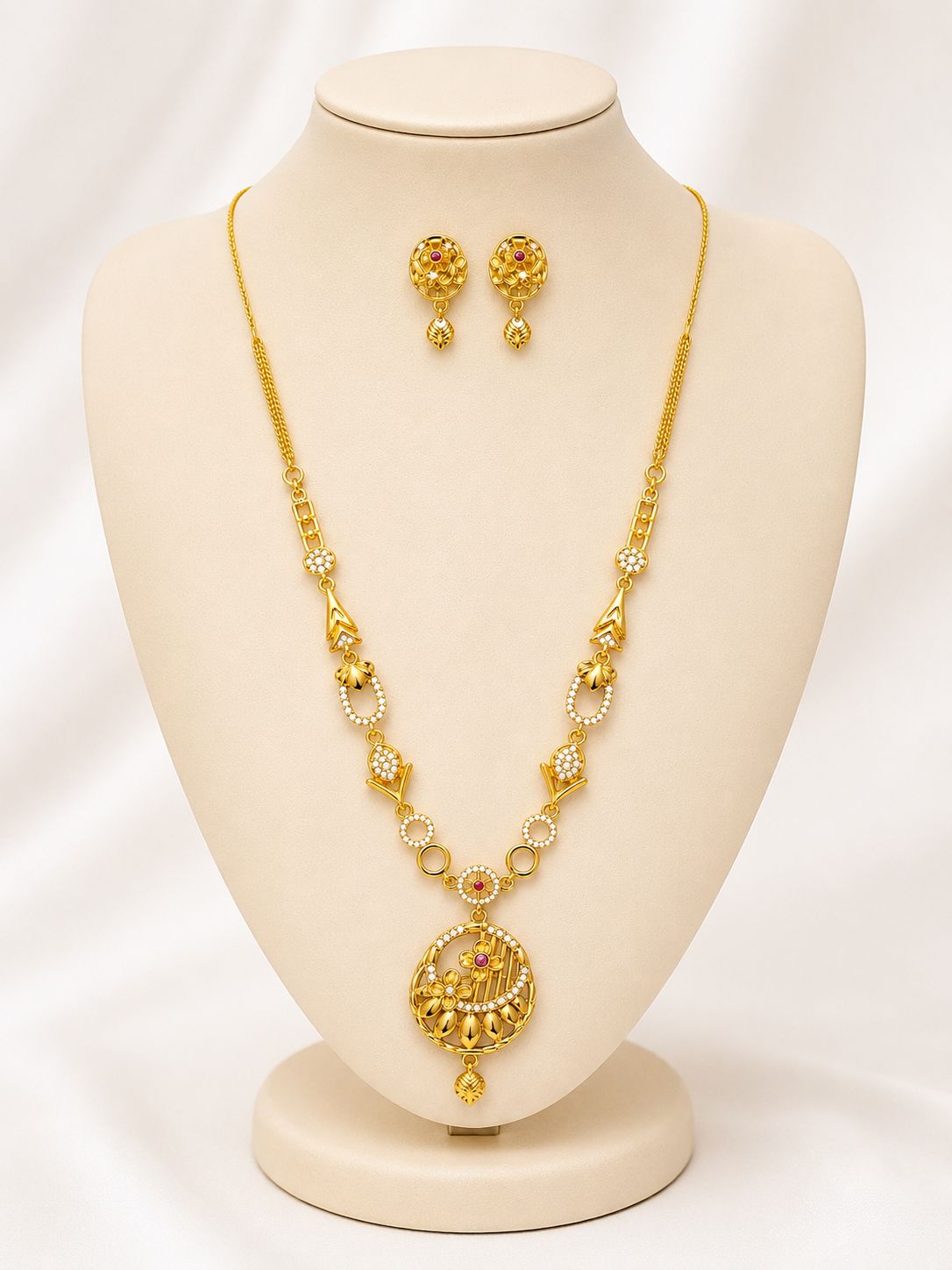
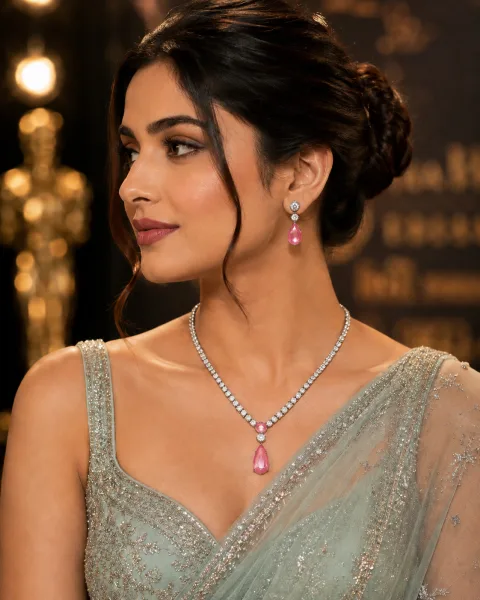
Galloria
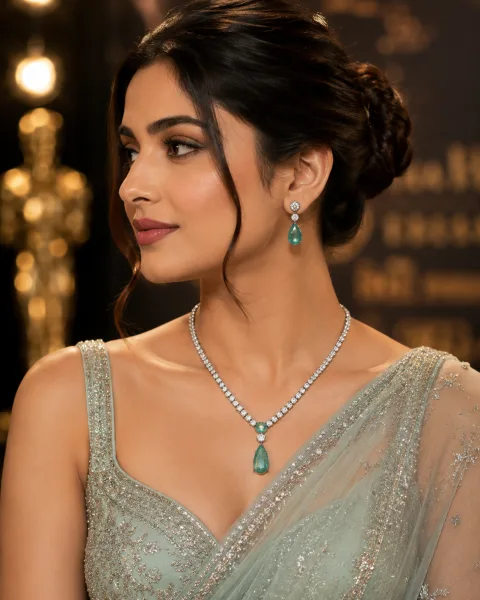
Galloria
Galloria
Galloria
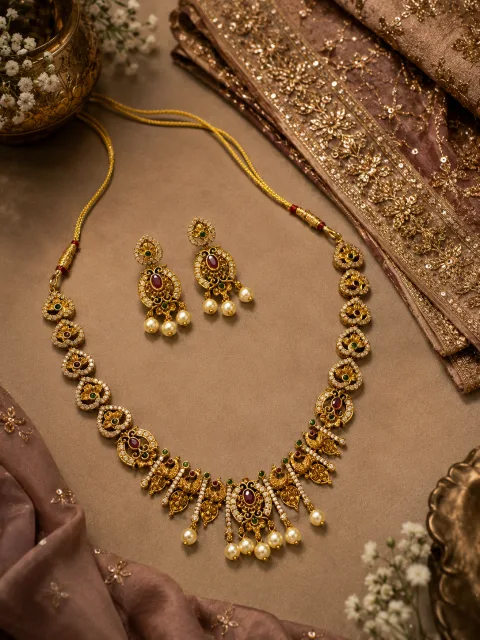
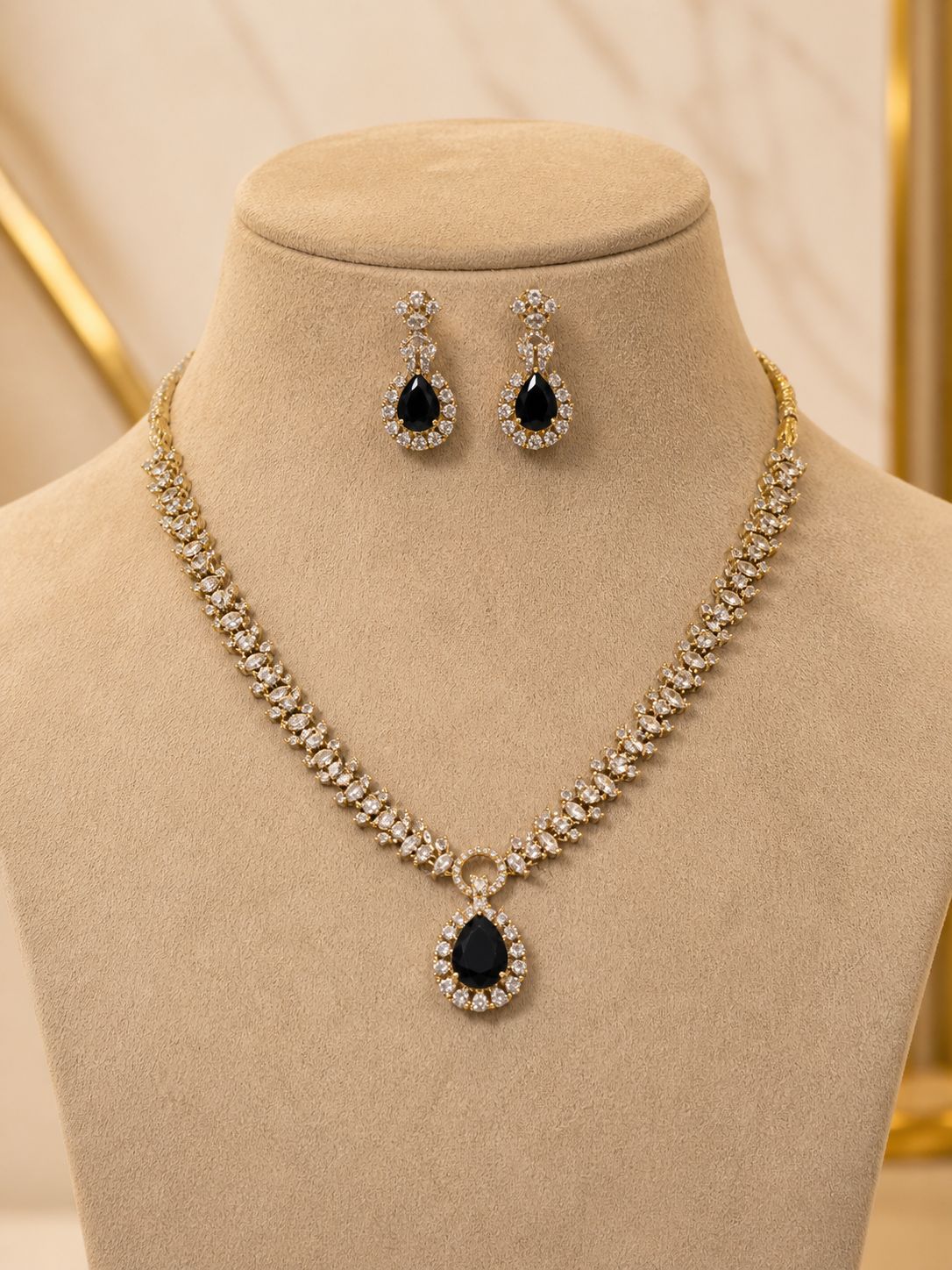
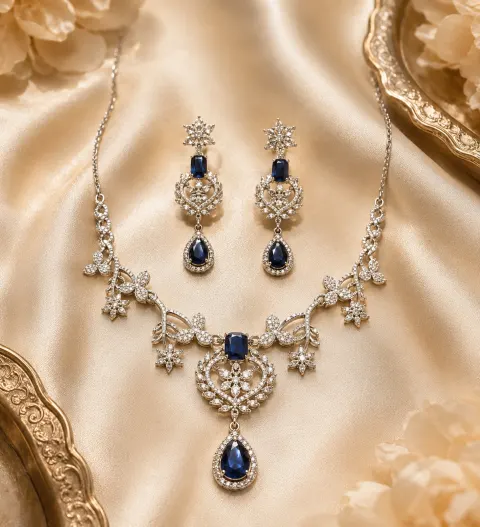
Galloria
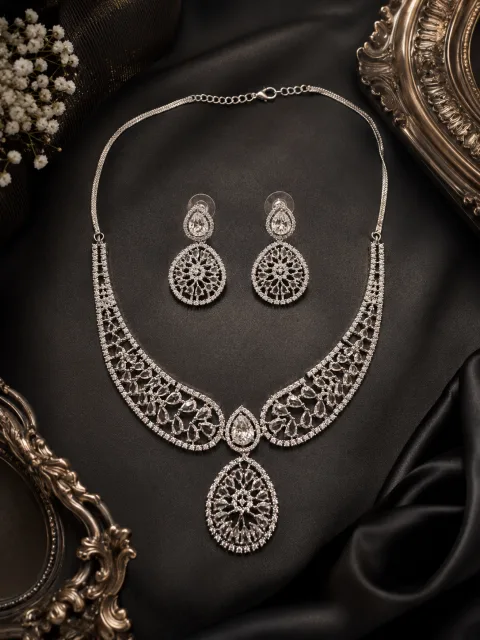
Galloria
Galloria Collections
Explore other categories
Continue shopping across Galloria’s collections.
About Premium Jewellery
Premium jewellery at Galloria is curated for presence — pieces that complete a bridal drape, steady a cocktail neckline, or become the quiet signature you reach for when the occasion asks for more than everyday metal. We look for setting security, balanced weight, and design that respects Indian ceremonial language while wearing comfortably through long events. Luxury here means craft you can feel at the clasp and see in the way stones catch light, not empty sparkle.
Whether you lean toward kundan drama, polki softness, temple tradition, or refined contemporary statements, the evaluation criteria stay disciplined: how the piece sits on the body, whether motifs are symmetrical where they should be, and how the jewellery converses with your outfit’s visual weight. A dense Banarasi saree and a delicate kurti demand different jewellery architectures.
This guide explains materials, care, and styling so you buy with the same scrutiny you would bring to a textile heirloom. Explore anti-tarnish jewellery when you need reliable everyday shine between ceremonies, and return to this premium edit when the event calls for heirloom energy and ceremonial finish.
Occasions
- Weddings
- Receptions
- Engagements
- Festival rituals
- Formal dinners
- Cultural evenings
Buying guide
Match jewellery weight to outfit weight
Heavy bridal silks and heavily embroidered lehengas can carry larger necklaces and layered sets. Lightweight chiffons and minimal kurtis prefer refined chokers, elegant studs, or single statement earrings. If your outfit is already busy, choose jewellery with cleaner negative space. Visual balance matters more than owning the largest piece in the room.
Setting quality and stone security
Check prongs, bezel edges, and kundan foiling for evenness. Stones should not spin or rattle. On close inspection, settings should look intentional from the side profile, not hastily glued. Move the piece gently — silence is a good sign. Premium jewellery invests hours in secure setting because repairs mid-wedding week are the wrong kind of drama.
Clasp, hinge, and wear comfort
A beautiful necklace that digs into the neck fails its purpose. Test clasp ease, earring post length, and the distribution of weight across the collarbone. For maang tikkas and matha pattis, check adjustability and how they sit with your intended hairstyle. Comfort is craftsmanship.
Metal tone and outfit palette
Warm gold tones flatter cream, red, maroon, and many traditional zari stories. Rose and softer golds suit blush, pastel, and contemporary designer palettes. Oxidised finishes pair with earthy Tussar and temple-leaning looks. Keep metal tone consistent across necklace, earrings, and bangles unless you are deliberately mixing with modern confidence.
Occasion architecture
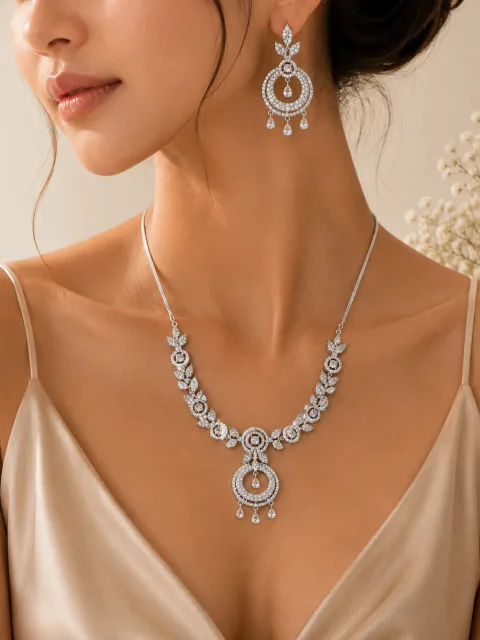
Temple jewellery suits rituals and classical drapes. Kundan and polki excel at weddings and receptions. Contemporary CUBIC and pearl-forward pieces elevate designer cocktail sarees. Build a small system: one ceremonial hero set, one mid-formal option, and refined everyday pieces — rather than many near-identical statement necklaces.
Provenance of style, not just sparkle
Ask what tradition or design school the piece references. Motifs with cultural clarity — peacock, lotus, temple gopuram, floral jaal — read as intentional. Generic sparkle without language dates faster. Galloria’s premium jewellery edit privileges pieces with design point of view and finishing that photographs with depth.
Material guide
- Kundan
- Glass or gemstones set in gold foil with a distinctive courtly glow. Classic for bridal and highly formal Indian events; handle with dry, careful storage.
- Polki
- Uncut diamond aesthetic with softer, romantic light. Often lighter in visual aggression than sharp modern cuts; exquisite with silk and soft makeup.
- Meenakari
- Enamel colour work on metal, frequently on the reverse or as a design feature. Adds artisanal colour storytelling; avoid harsh chemicals that dull enamel.
- Temple jewellery
- Motifs drawn from South Indian temple architecture and iconography. Ideal with Kanjivaram and classical drapes; carries ceremonial gravity.
- Pearl and semi-precious compositions
- Offer luminosity without metallic aggression. Beautiful for daytime weddings, engagements, and elegant dinners when restraint is the point.
- American diamond / CZ
- High-refraction stones that deliver bridal sparkle at accessible luxury. Quality depends on cut consistency and secure setting.
- Gold-toned premium alloys
- Engineered for colour stability and wearability in statement designs. Choose reputable finishing — plating thickness and base metal matter.
- Oxidised and antique finishes
- Deepened metal tones for heritage and boho-ceremonial moods. Pair with textured weaves and earthy colour stories.
Care guide
- Wipe pieces with a soft dry cloth after every wear to remove perfume, sweat, and oils before storage.
- Store each piece in a separate soft pouch so chains and stones do not scratch neighbouring jewellery.
- Keep jewellery away from hairspray, sunscreen, and liquid foundation — apply beauty products first, jewellery last.
- Do not soak kundan, meenakari, or foil-set pieces in water or cleaning solutions.
- Check clasps and stone seats before major events; a five-minute inspection prevents mid-function emergencies.
- For long storage between seasons, use airtight boxes with anti-tarnish strips where appropriate for the metal type.
Styling tips
- If wearing a heavy necklace, keep earrings refined — or skip the necklace and let chandbalis lead.
- Align jewellery motif language with the saree: temple with temple borders, floral with floral jaals, modern geometry with designer drapes.
- For co-ord sets and kurtis with busy necklines, prioritise earrings and stacked bangles over large pendants.
- Use a maang tikka only when the hairstyle can anchor it securely — poorly seated tikka distracts in every photograph.
- Repeat one accent colour from the outfit in enamel or stone accents for cohesion without matching too literally.
- Photograph your full look in daylight before the event; jewellery scale that feels right in a mirror can read differently on camera.
Frequently asked questions
- What jewellery should I wear with a heavy Kanjivaram saree?
- Temple jewellery, substantial kundan, or classic gold-toned statement sets usually balance the silk’s visual weight. Avoid tiny everyday studs that disappear against a dense border. If the saree pallu is extremely ornate, you can choose either a strong necklace or strong earrings — not necessarily both at maximum volume.
- Is kundan jewellery suitable for daytime functions?
- Yes, if you edit the scale. Smaller kundan chokers and elegant earrings work for daytime; reserve the heaviest layered bridal sets for evening or core wedding rituals. Pair with softer makeup and breathable fabrics so the overall look stays luminous rather than overwrought in sunlight.
- How can I tell if stones are securely set before buying?
- Look closely at prongs or bezels, gently tap near — not on — the stone to listen for rattling, and check that settings look consistent around the piece. Product photography on Galloria aims to show finishing clearly; if a listing notes handmade variation, expect slight artisanal irregularity without loose stones.
- Can premium fashion jewellery be worn for weddings?
- Absolutely — many bridal looks today mix heirloom gold with high-quality fashion jewellery for comfort and design range. What matters is finishing, design coherence, and how the pieces sit through hours of wear. Choose reputable construction and care for pieces as you would any ceremonial accessory.
- What is the difference between polki and American diamond jewellery?
- Polki refers to an uncut diamond look with softer sparkle and a heritage bridal mood. American diamond (CZ) is typically faceted for sharper brilliance. Both can be luxurious; choose polki for romantic traditional glow and CZ when you want modern high sparkle under evening lights.
- How should I store meenakari jewellery?
- Keep it dry, separately pouched, and away from abrasives. Do not use chemical dips. Wipe with a soft cloth only. Enamel can chip if knocked against hard surfaces, so avoid tossing pieces loosely into a travel cup. A firm jewellery box slot is ideal for frequent travellers.
- Which metal tone suits pastel designer sarees?
- Rose gold, soft gold, pearl, and lighter polki-style finishes usually flatter pastels better than very deep antique oxidised sets. Keep stone colours aligned with the saree’s accent hues. If the saree already has silver-toned zari, a cooler metal story can look more intentional than warm yellow gold.
- Should I buy a full bridal set or separate statement pieces?
- A full set offers instant coherence for the wedding week. Separates offer flexibility across years of events. Many women do both: one complete ceremonial set, plus versatile earrings and a choker that restyle with designer sarees and co-ords. Choose based on how often you attend formal functions.