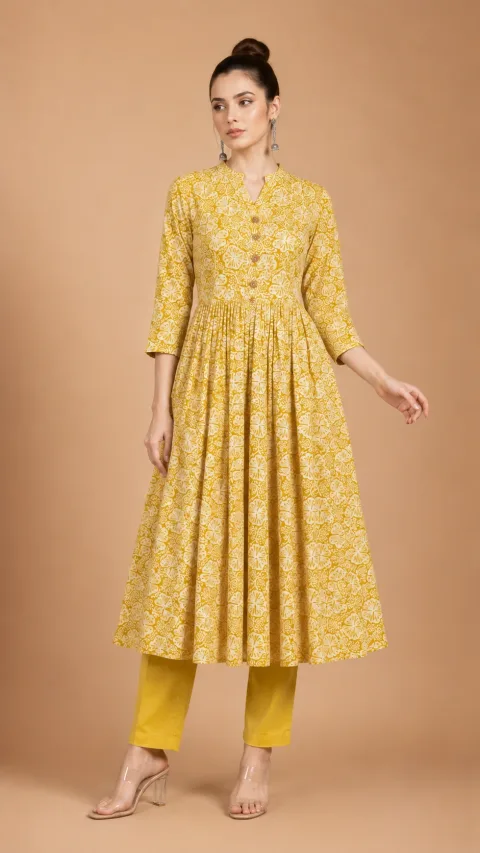
Designer Kurti — Anarkali, Cotton & Festive
Designer Kurti
Affordable picks · starting from ₹599
Almost Gone
Last pieces in this edit — once they’re gone, they’re gone.

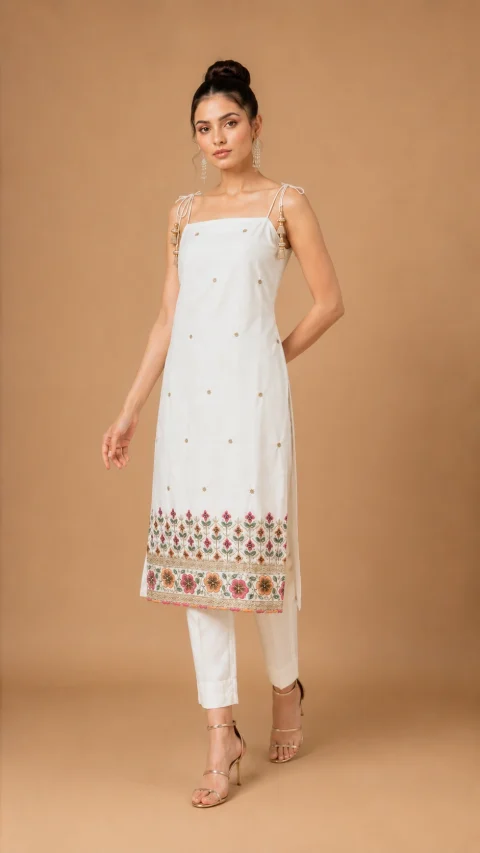


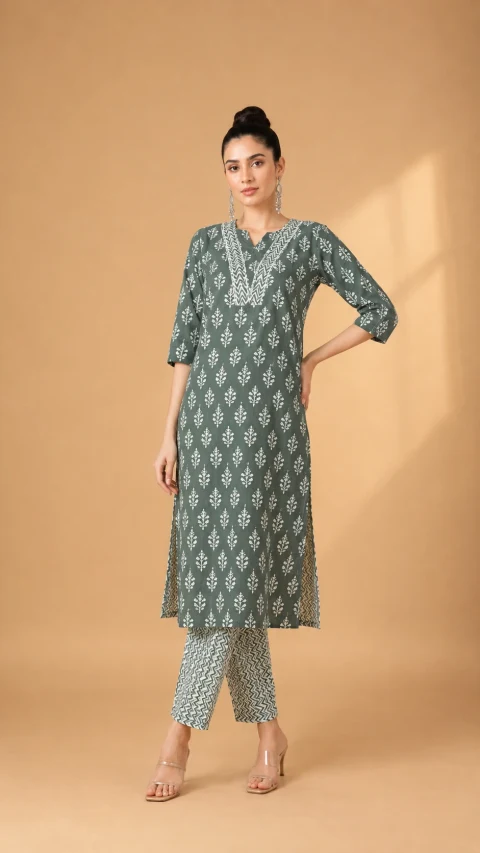


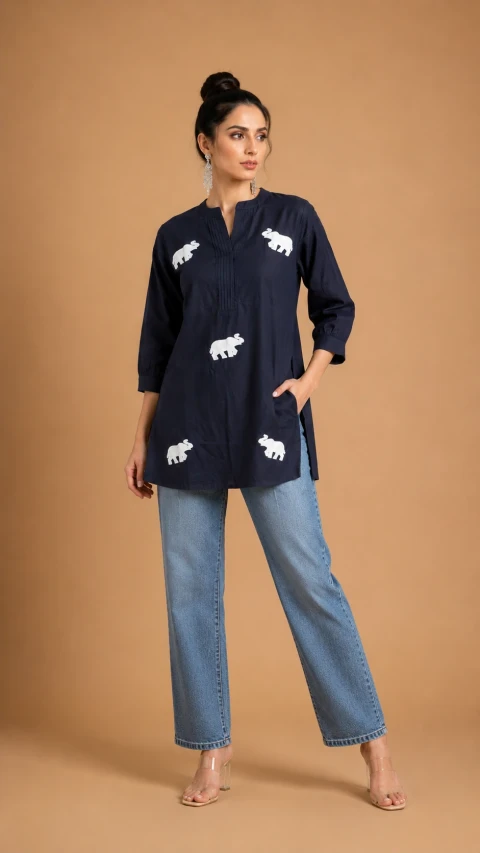
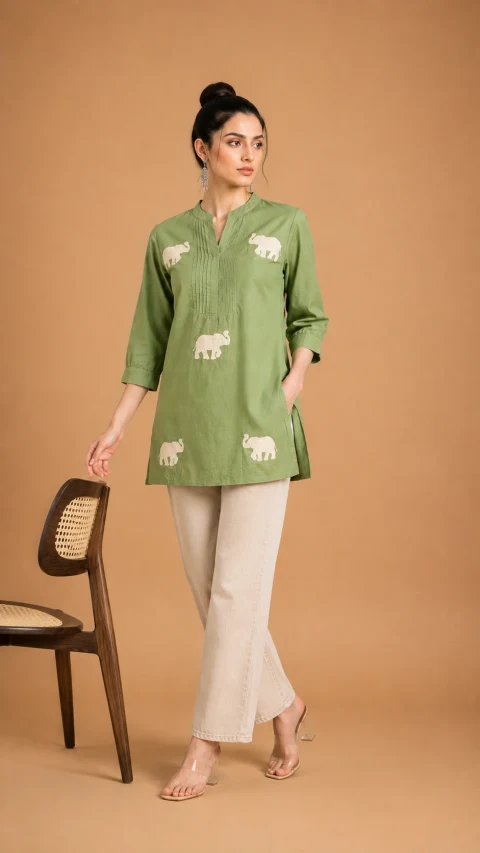
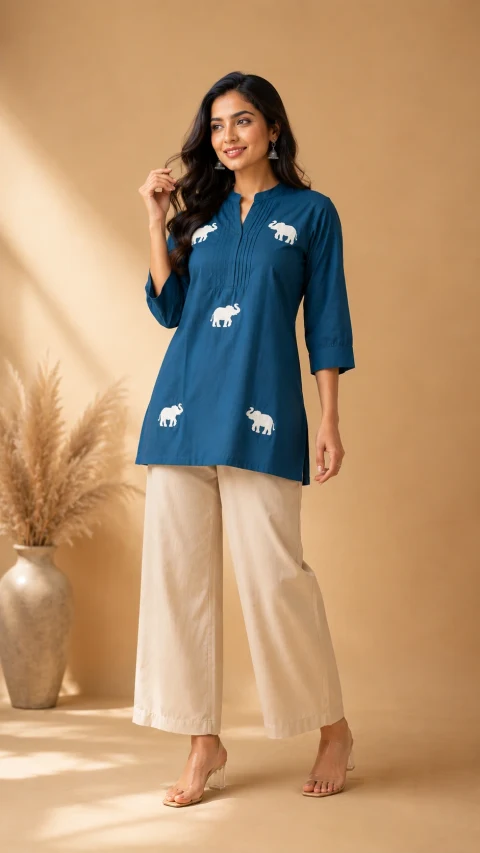
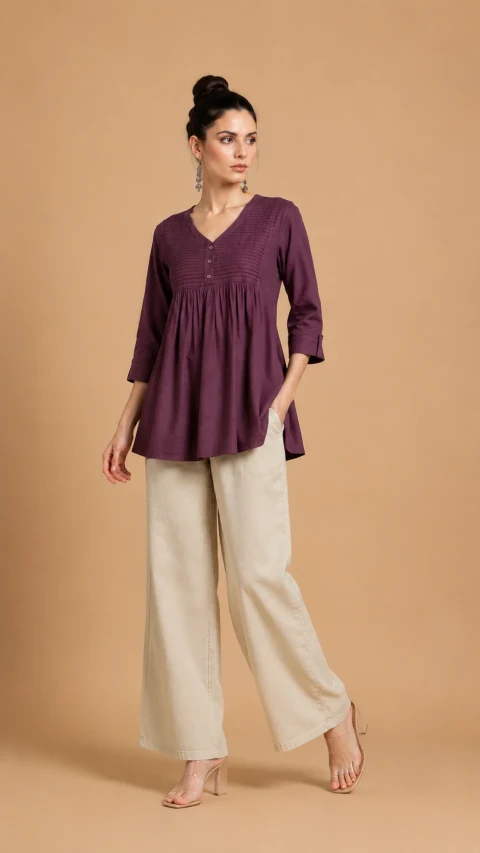
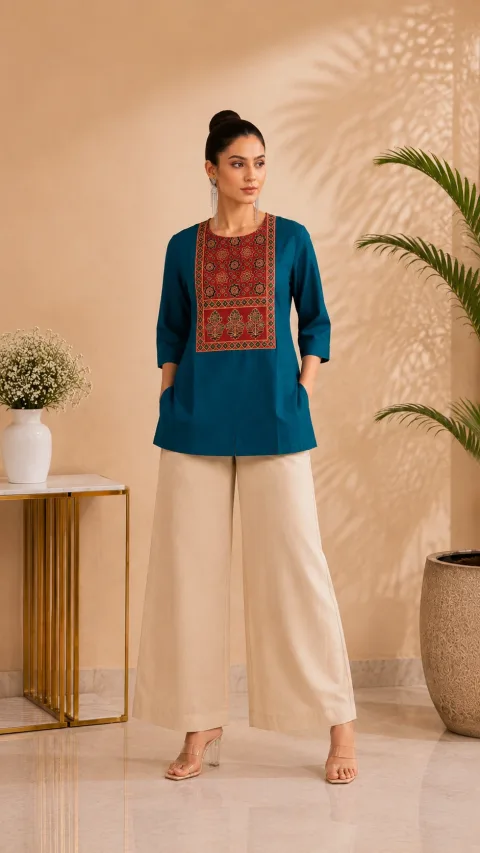

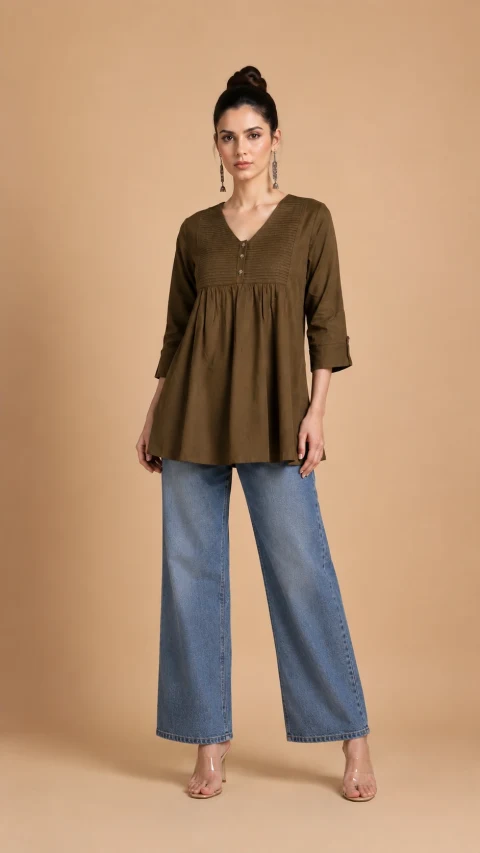
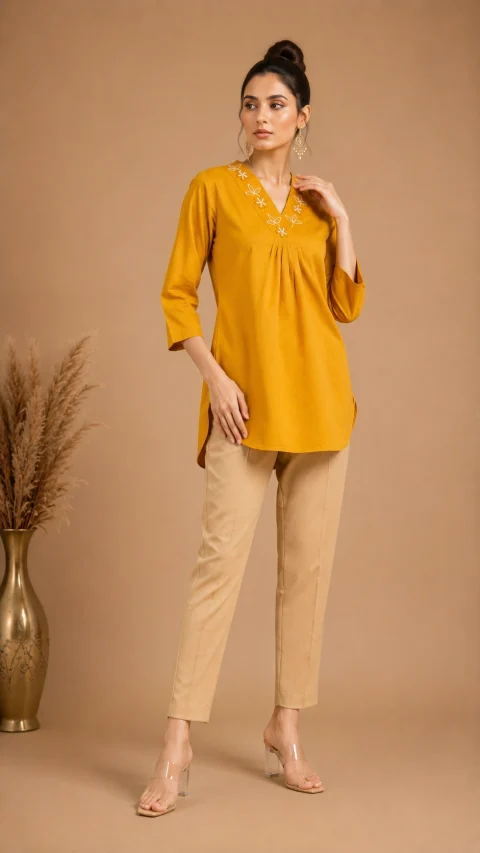
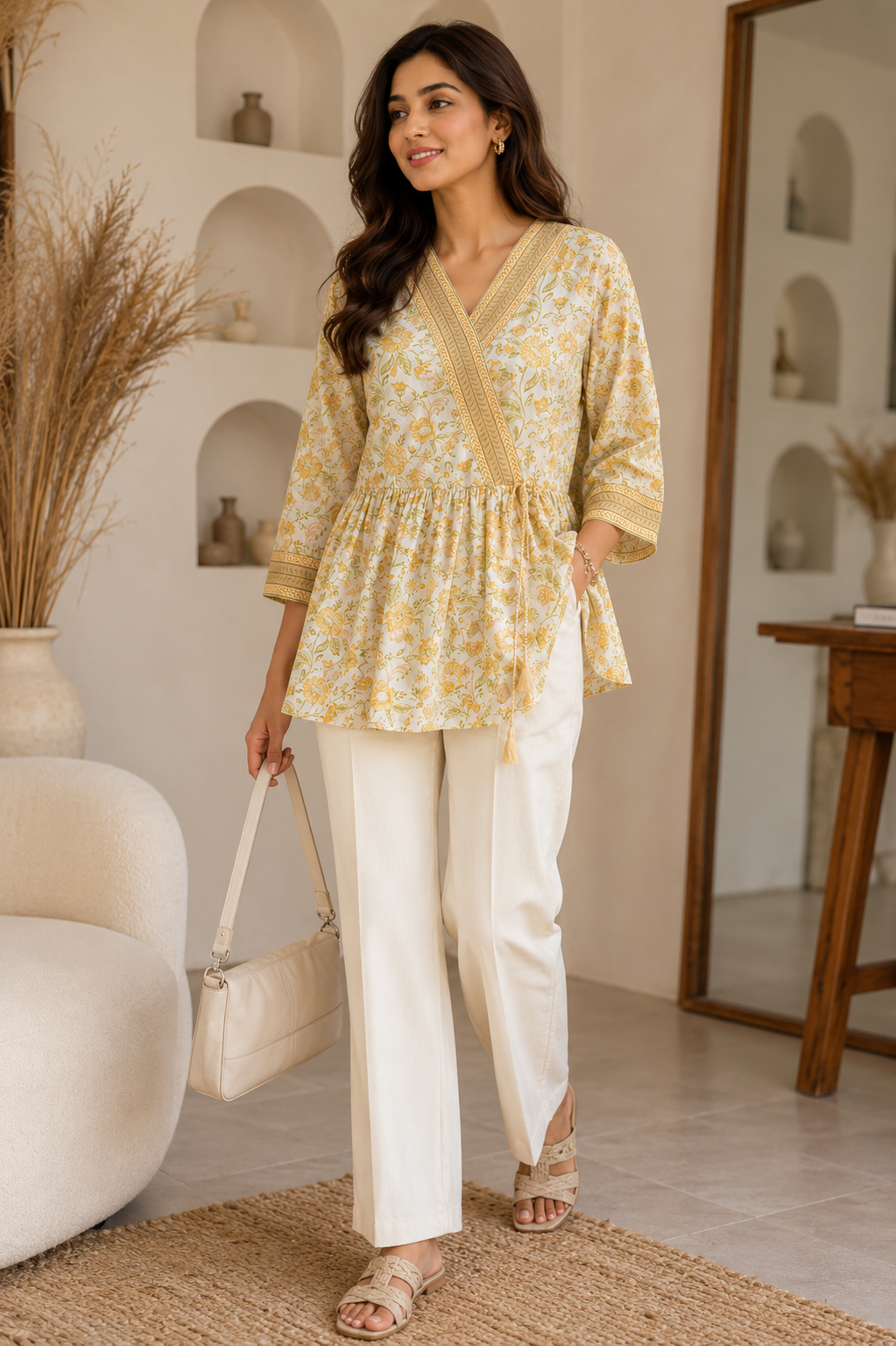
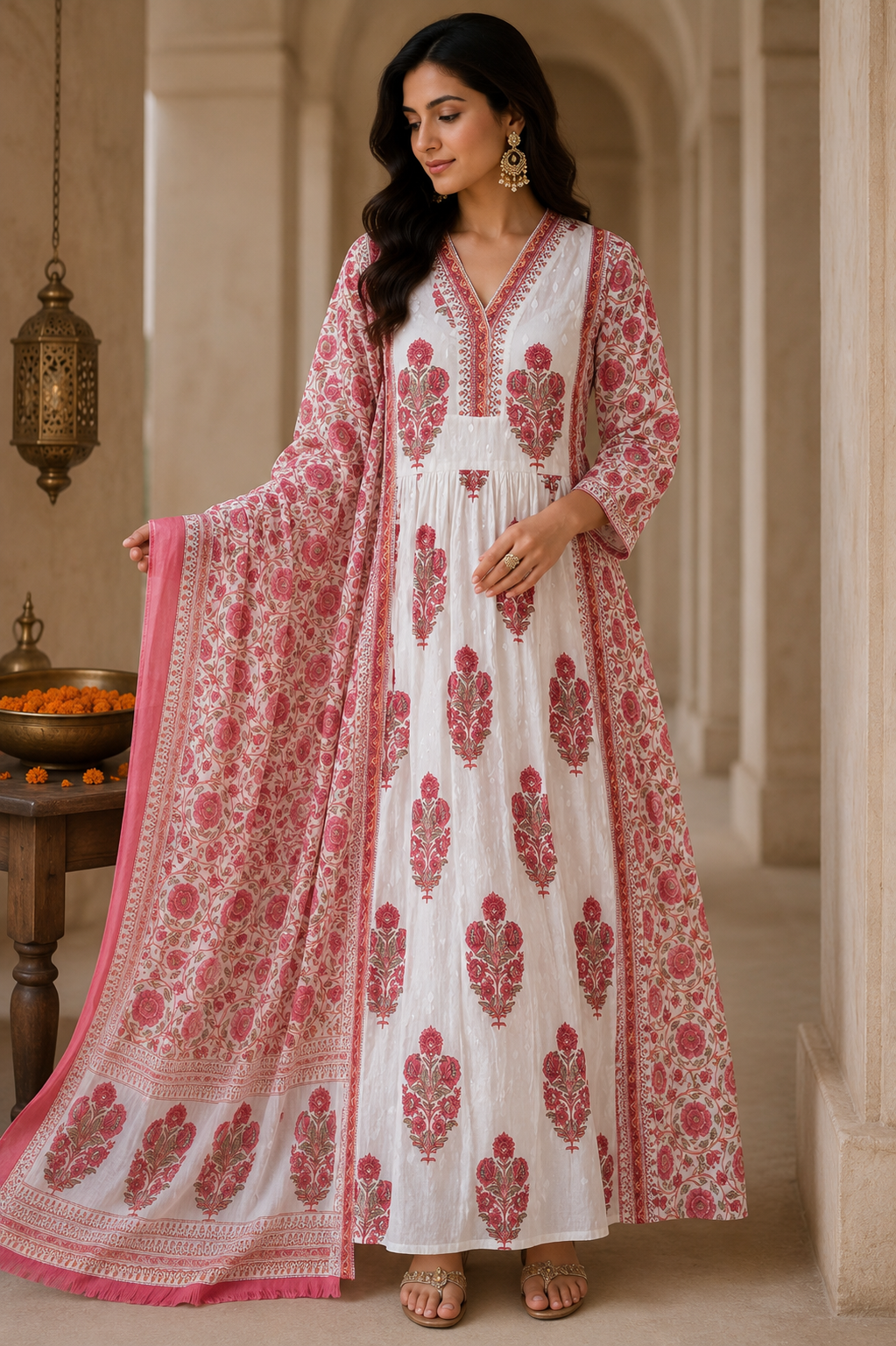
Golden Mustard Designer Kurti with Embroidered Neckline | Single Piece | Galloria
Galloria
₹999₹89910% OFF


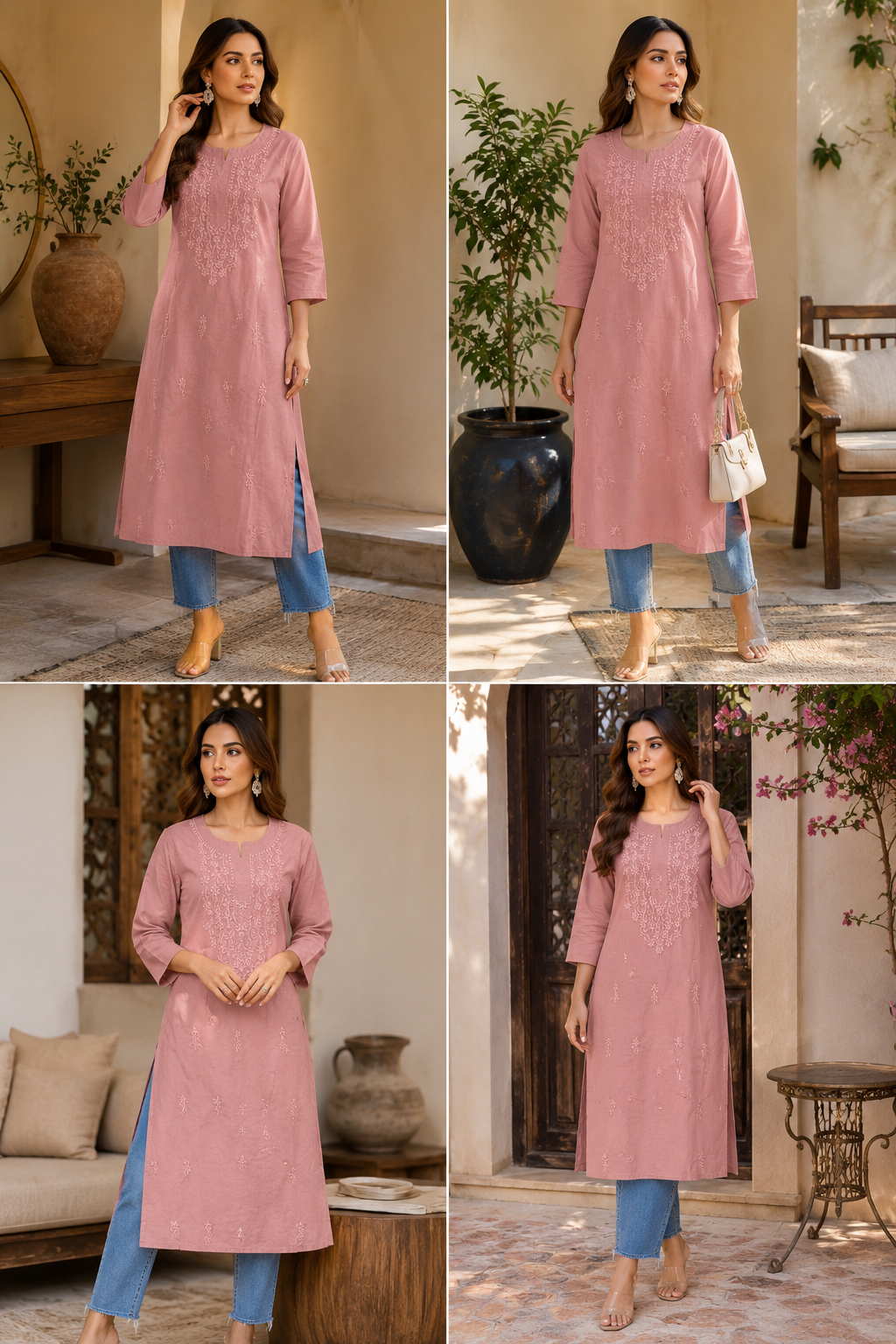

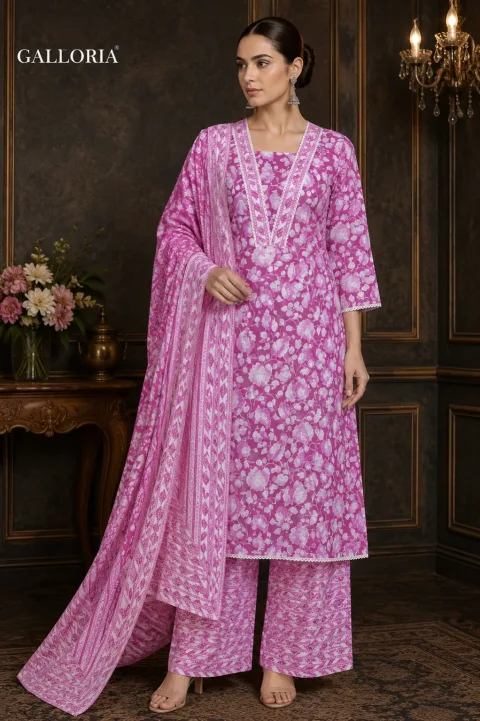


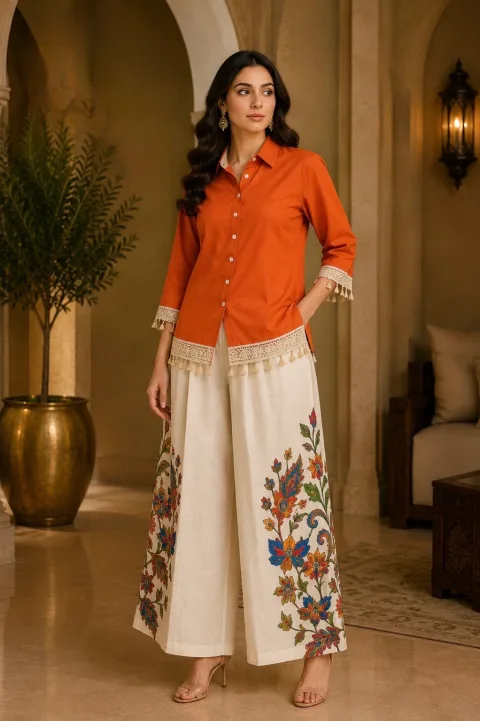
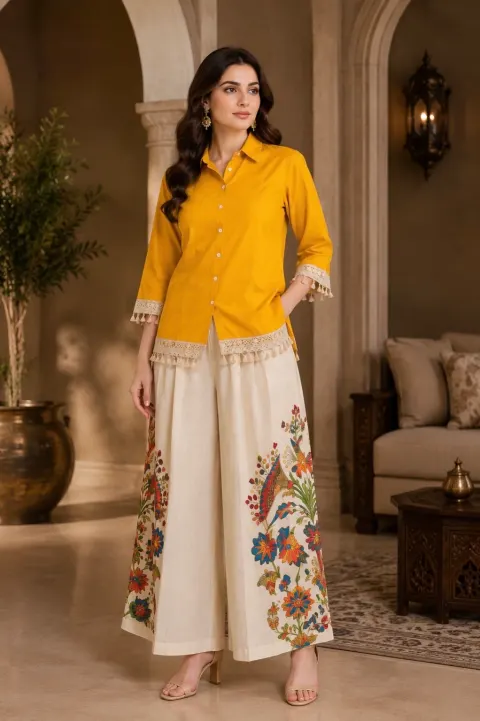
Elegant Orange Kurti with Embroidered Palazzo | Designer Kurti | Galloria
Galloria
₹2,099₹1,67920% OFF

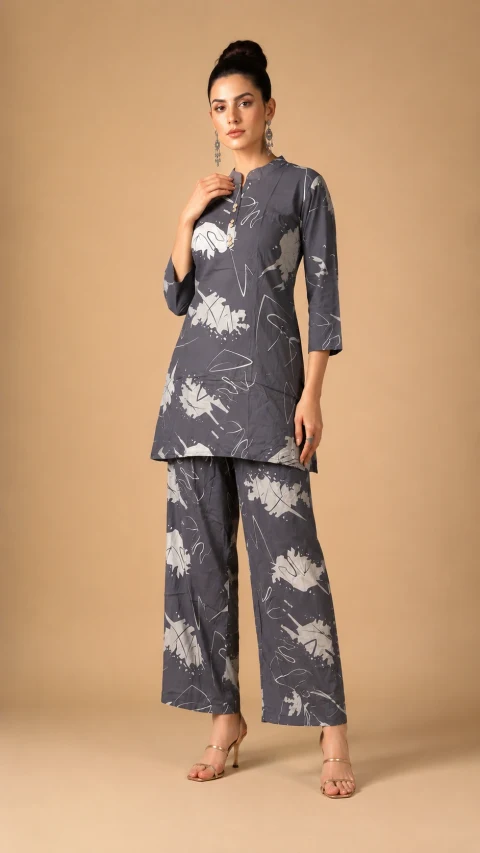


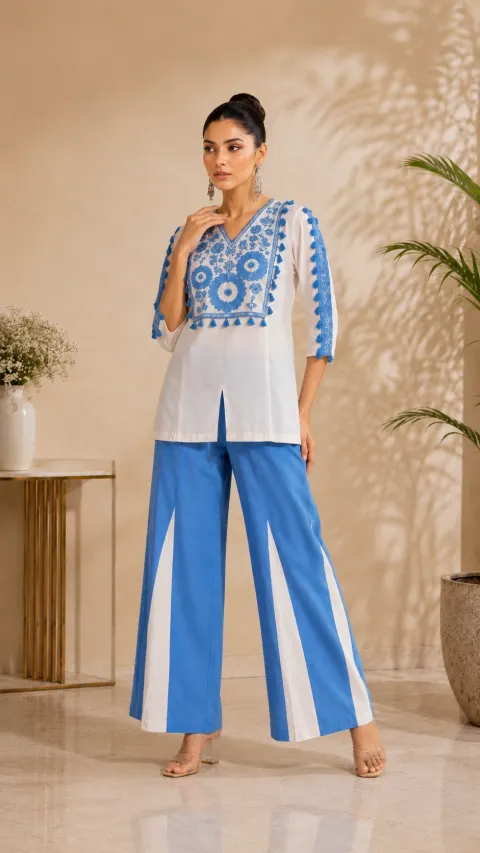
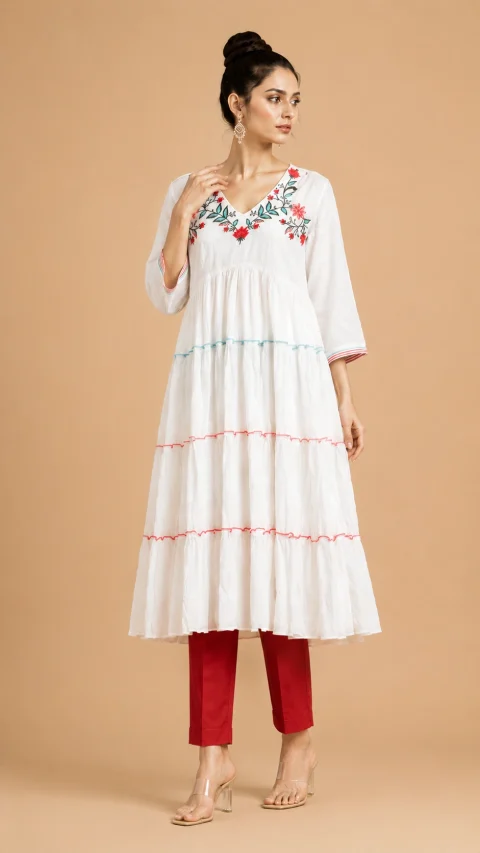


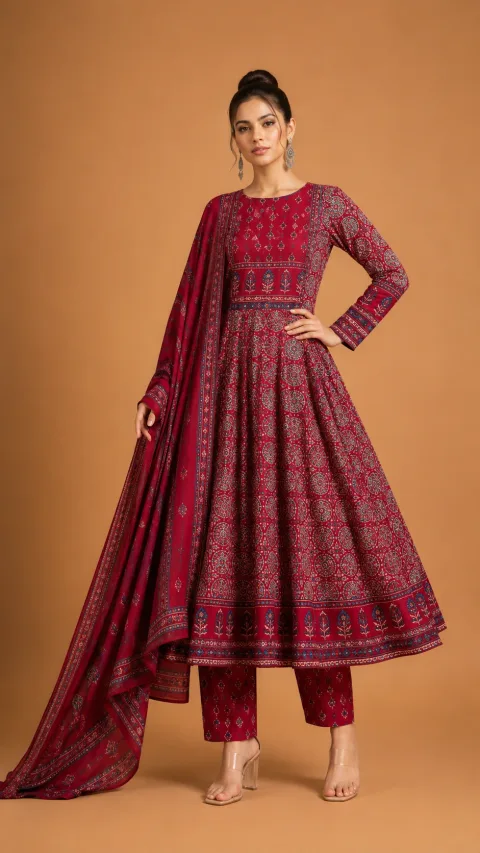


Galloria Collections
Explore other categories
Continue shopping across Galloria’s collections.
About Designer Kurti
The designer kurti has evolved far beyond a simple tunic. In Galloria’s edit, it is a precise garment — cut for posture, proportion, and the way Indian and global wardrobes now overlap. Expect thoughtful necklines, sleeve architecture, side-slit calibration, and fabrics chosen for how they photograph under daylight as well as evening light. A great kurti should look finished with jeans, palazzos, or a sharara without demanding a full ceremonial mindset.
What separates a designer kurti from a generic one is pattern intelligence: dart placement that flatters, hems that do not hike oddly when you sit, embroidery that follows the body’s line rather than floating as a stiff panel. We curate pieces that respect ease of movement for travel days, office-to-dinner transitions, and pre-wedding logistics when you need polish without a nine-yard commitment.
This guide helps you evaluate length, fabric behaviour, and styling routes so your kurti earns repeat wear. Pair with our co-ord sets when you want a matched statement, or contrast with premium jewellery for festive mornings. Galloria’s designer kurtis are meant to feel elevated in ordinary moments — not reserved for a single festival selfie.
Occasions
- Mehendi mornings
- Daytime wedding events
- Festive office wear
- Brunch gatherings
- Travel days
- Temple visits
Buying guide
Length and proportion against your height
Knee-grazing lengths elongate when paired with straight pants; longer kurtis over wide palazzos need a defined waist or vertical embroidery to avoid a triangular bulk. Petite frames often prefer high-low or mid-thigh to knee lengths with cleaner side slits. Tall frames can carry longline kurtis, but check that the slit height allows a confident stride. Always read the garment length in the size guide rather than guessing from model photos.
Neckline and sleeve as design anchors
A designer kurti’s character often lives in the neck and sleeve. Mandarin and keyhole necklines suit structured workwear; deeper scoops and soft V-shapes favour festive styling with statement earrings. Puff, bell, and petal sleeves add romance but require checking armhole comfort. If you layer jackets or dupattas, prefer cleaner sleeves so the stack does not fight for space.
Fabric for climate and calendar
Cotton-silk and linen blends breathe for daytime errands and temple mornings. Georgette and crepe read more evening-ready and take embellishment gracefully. Heavy embroidery on non-breathable bases will frustrate you in summer — prioritise base comfort first, surface beauty second. For travel, wrinkle-resistant crepes and well-finished cottons unpack more kindly than crisp organzas.
Quality signals in embroidery and print
Embroidery should follow grain lines and sit flat without puckering. Prints should align at plackets and side seams where possible. Check thread ends on the reverse and ensure mirrors, beads, or gota are securely attached. Designer pricing should buy better placement and finishing — not merely denser sparkle. Run a hand inside the kurti to confirm lining comfort where embellishment is dense.
Bottom-wear compatibility
Before buying, decide your default pairing: slim pants, cigarettes, jeans, sharara, or lehenga-style skirts. Side-slit height and kurti flare change dramatically with each. A heavily flared kurti over a flared bottom can overwhelm; balance volume on one half of the outfit. If you want one kurti to work hard, choose a straighter cut that negotiates multiple bottoms.
Value across seasons
Neutral grounds with distinctive necklines outlast hyper-seasonal colour stories. Invest in craftsmanship you will still respect next year. Festive colours are wonderful when they suit your actual calendar — not an imaginary one. Galloria’s designer kurti edit balances statement pieces with quieter elevates you can wear beyond the wedding week.
Fabric guide
- Cotton silk
- A refined everyday-luxury base with soft lustre and breathability. Ideal for daytime functions and polished casual wear.
- Linen and linen blends
- Textured, airy, and naturally elegant. Expect a lived-in crease character — part of the fabric’s honesty, not a flaw.
- Georgette
- Fluid and evening-friendly; excellent for light embroidery and layered styling with palazzos or shararas.
- Crepe
- Matte, controlled drape that flatters tailored silhouettes and resists looking overly shiny in photographs.
- Chanderi and tissue accents
- Bring festive translucence to yokes, panels, or dupatta pairings while keeping the body of the kurti wearable.
- Rayon and modal blends
- Soft hand and easy movement for travel and long days; check opacity and prefer lined or denser weaves for light colours.
- Organza overlays
- Used sparingly in designer kurtis for structure at sleeves or hems. Keep care gentle to preserve crispness.
- Silk-blend festive bases
- Elevate mehendi mornings and intimate ceremonies with richer depth of colour while remaining lighter than a full saree commitment.
Care guide
- Turn embroidered kurtis inside out before washing or bagging for dry-cleaning to reduce surface abrasion.
- Wash breathable cotton and linen pieces in cool water with mild detergent; avoid harsh wringing at embroidered zones.
- Reshape on a hanger while damp — especially important for flared hems and structured sleeves.
- Store on padded hangers; clip heavy beaded hems carefully so the neckline does not stretch.
- Iron on reverse at the temperature suited to the fibre; use a press cloth over metallic or sequinned areas.
- Allow festive kurtis to air after wearing before cupboard storage to protect both fabric and any attached jewellery marks.
Styling tips
- Pair a straight designer kurti with tailored trousers and sculptural earrings for a modern work-to-dinner line.
- Let a statement sleeve be the hero — keep the necklace minimal and put energy into rings or a cuff.
- For mehendi, choose breathable fabrics in joyful colour and add floral jewellery or soft anti-tarnish sets you can dance in.
- Tuck the styling into a co-ord mood by matching bottom colour even if pieces are bought separately.
- Add a cropped jacket or shrug when the kurti is sleeveless and the venue runs cold after sunset.
- Finish with footwear that respects length: pointed flats elongate mid-length kurtis; block heels suit longer festive hems.
Frequently asked questions
- What kurti length is most flattering if I am petite?
- Most petite frames do well with lengths that hit mid-thigh to just above the knee, paired with straight or gently tapered bottoms. Avoid excessive flare stacked on wide pants. A defined neckline and vertical embroidery help draw the eye upward. Always confirm the garment’s listed length, because model height can mislead.
- Can I wear a designer kurti to a wedding function?
- Yes — especially for daytime ceremonies, mehendi, and intimate gatherings. Choose richer fabrics, refined embroidery, and elevated jewellery. For core wedding rituals where elders expect full traditional dressing, a saree or heavier ensemble may still be more appropriate. Read the host’s dress expectations and venue formality.
- How should a kurti fit across the shoulders and bust?
- Shoulder seams should sit at the shoulder edge, not slide down the arm. Bust darts or princess seams should shape without pulling at buttons or the placket. If the shoulders fit but the bust is tight, sizing up and tailoring the waist is often better than forcing a small size. Movement test: raise your arms and sit down before deciding.
- Which fabric is best for all-day travel during wedding week?
- Crepe, good cotton-silk, and quality rayon blends usually travel better than crisp organza or heavily structured pieces. Look for dark or mid-tones that hide minor creasing, and embroidery that is not so dense it digs into your skin on flights. Pack a light dupatta separately to refresh the look on arrival.
- Do I need a dupatta with a designer kurti?
- Not always. Many designer kurtis are cut to stand alone. Add a dupatta for temple visits, more conservative gatherings, or when you want extra colour framing. If you skip it, strengthen the neckline and earring story so the upper half still feels complete.
- How do I style a kurti without looking underdressed next to sarees?
- Raise the formality with fabric quality, intentional jewellery, polished footwear, and a considered bottom — not with random extra layers. A silk-blend kurti with refined earrings and a clean clutch can sit confidently beside sarees at daytime events. Avoid overly casual denim if the room is heavily traditional.
- What is the difference between a designer kurti and a co-ord set?
- A kurti is a single upper garment you style with separate bottoms. A co-ord set is designed as a matched pair with shared fabric, print, or embroidery language. Co-ords offer instant outfit coherence; kurtis offer more mixing flexibility. Many wardrobes benefit from both.
- How do I care for mirror work or gota on a kurti?
- Prefer dry-cleaning or extremely gentle hand washes inside out. Do not wring. Dry flat or on a hanger away from harsh sun. Store so mirrors do not rub constantly against other garments — a soft cloth between folds helps. Check for loose pieces after each wear and reinforce early.