Designer Saree — Organza & Contemporary
Designer Sarees
Affordable picks · starting from ₹1,949
Almost Gone
Last pieces in this edit — once they’re gone, they’re gone.


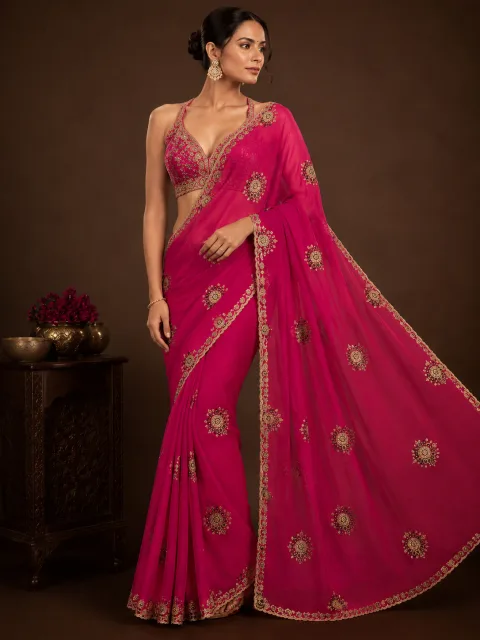
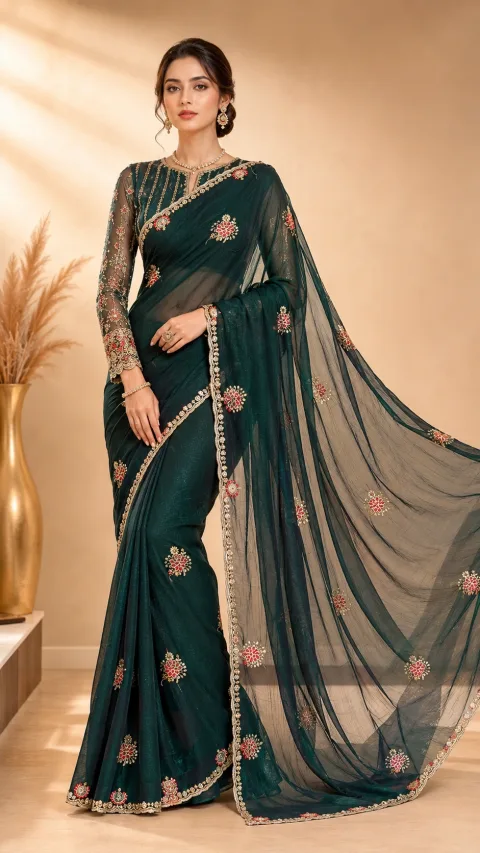

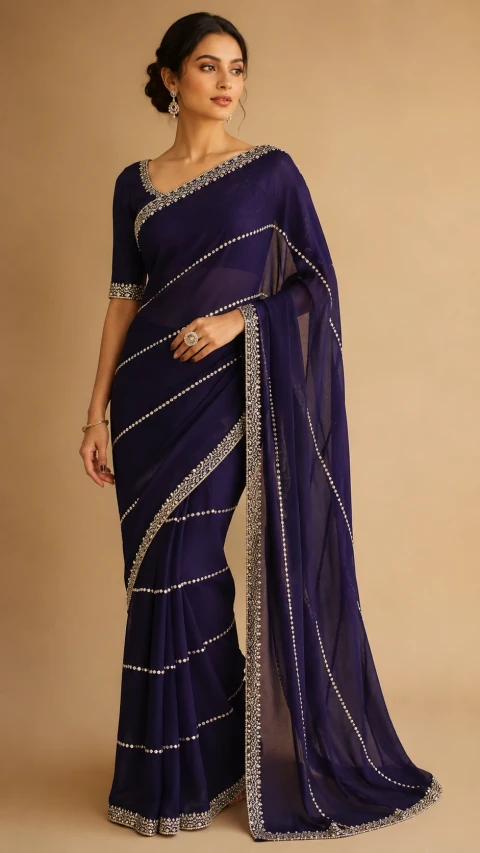


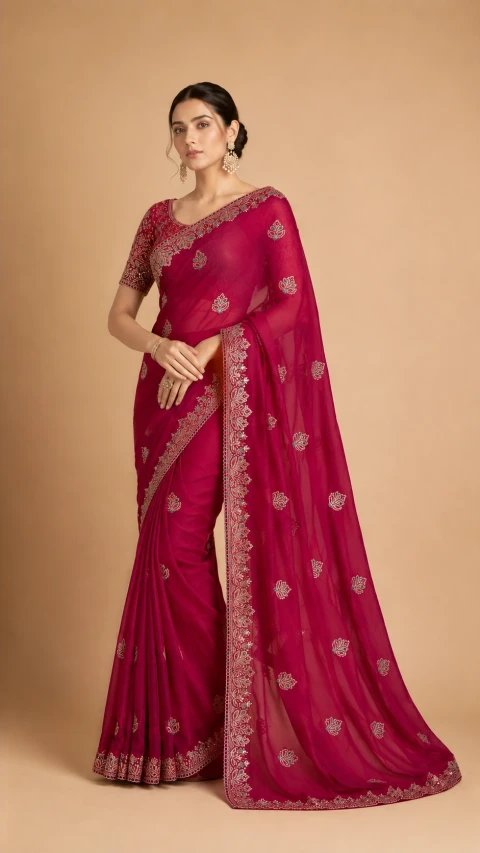
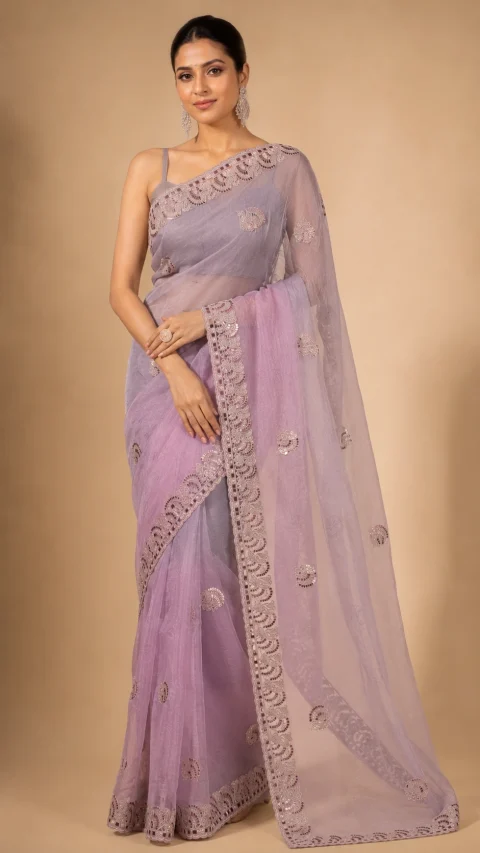
Galloria

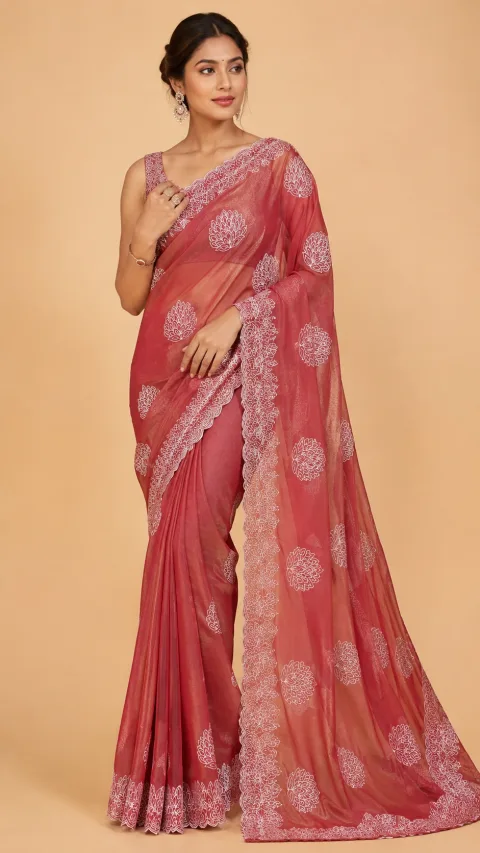

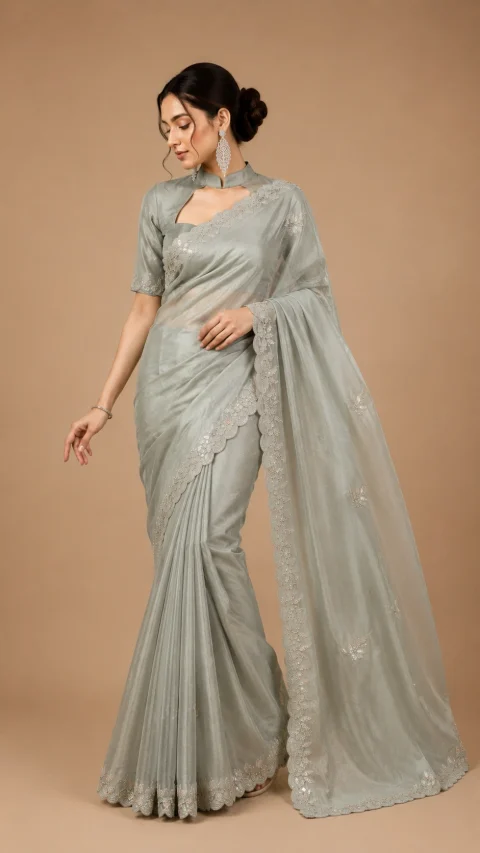
Galloria
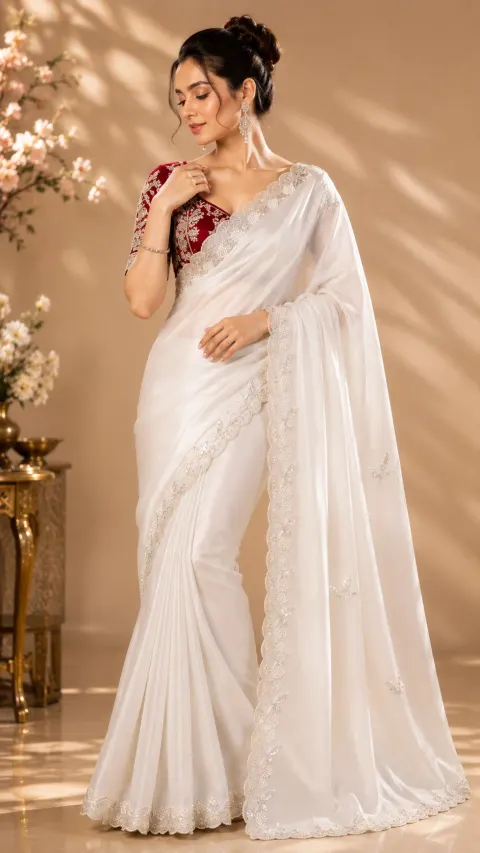
Galloria
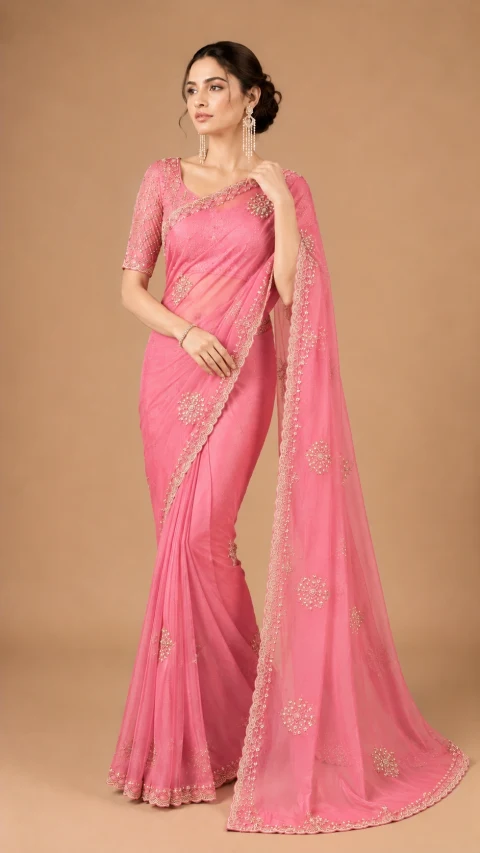
Galloria
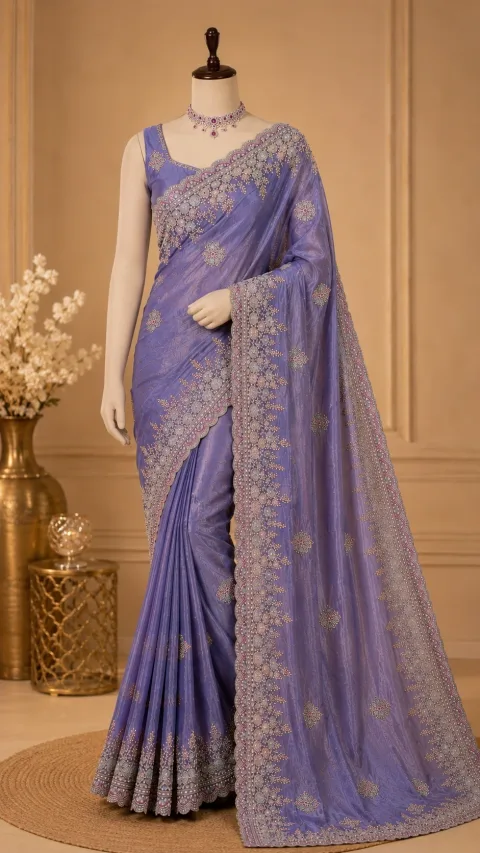


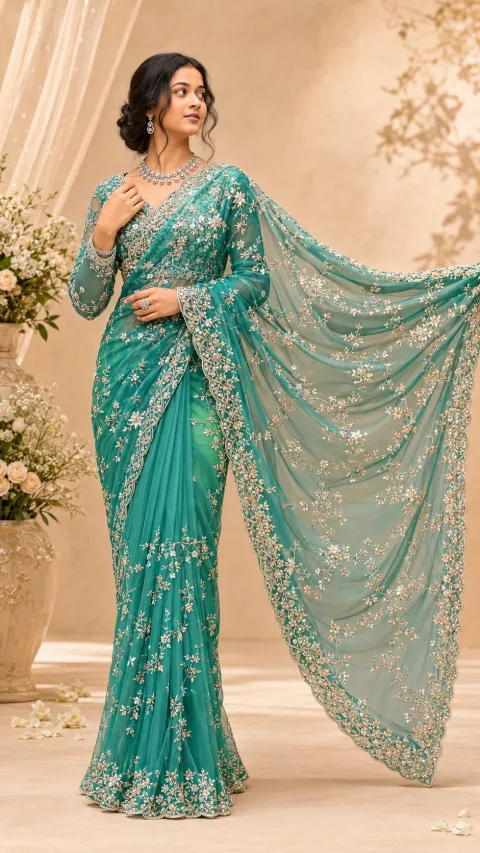

Galloria Collections
Explore other categories
Continue shopping across Galloria’s collections.
About Designer Sarees
Designer sarees sit at the intersection of traditional drape and contemporary authorship — where silhouette experiments, unexpected colour stories, and atelier-level surface work meet the familiar nine yards. Galloria’s Designer Sarees collection is edited for women who want a saree that feels current in photographs and considered in person: sharper proportions, inventive blouse pairings, and detailing that reads intentional rather than ornamental for its own sake.
Unlike heritage weaves valued primarily for loom lineage, designer sarees often lead with concept — pre-draped illusions, asymmetric borders, mixed-media embroidery, or print placements engineered for how the pallu falls on a modern body. That does not mean craft is optional. The best designer pieces still respect fabric behaviour: how georgette takes a stitch, how organza holds a sculpted blouse, how a printed panel aligns when pleated.
Use this page as a practical brief before you choose. We outline how to read designer construction, which fabrics flatter which events, and how to style a statement saree without tipping into costume. When you want a complete look, cross-shop our designer kurtis and co-ord sets for pre-wedding days, and finish with jewellery that matches the saree’s contemporary register.
Occasions
- Sangeet nights
- Cocktail receptions
- Engagement parties
- Destination weddings
- Fashion-forward festivities
- Anniversary dinners
Buying guide
Read the concept before the colour
Ask what the designer is doing differently: border placement, pallu scale, blouse recommendation, or surface technique. A strong designer saree has a clear idea you can describe in one sentence. If the piece is only “pretty florals on georgette” with no distinctive cut or finish, you may be paying for trend rather than design authorship — which is fine if the quality holds, but know what you are buying.
Construction and finishing checks
Inspect embroidery backs for secure anchoring, check that sequins and beads are evenly tensioned, and look at hem finishing for clean, even stitches. Designer work often involves mixed fabrics — ensure joins lie flat and do not bulk at the waist. Zippers or hooks on pre-stitched elements should close smoothly. Quality finishing is the difference between a piece that photographs well once and one that survives a full wedding season.
Fit of the modern drape
Many designer sarees assume a particular blouse volume or pant-style underskirt. Check whether the listing suggests a specific blouse pattern. If you prefer traditional pleating, confirm the fabric has enough body; ultra-fluid fabrics need more pinning. For pre-draped or ready-to-wear saree gowns, measure bust, waist, and hip carefully — these are garments first, drapes second.
Occasion and dress-code translation
Cocktail receptions and sangeet nights favour lighter movement fabrics with reflective detail. Daytime designer events suit organza, linen-silk, and restrained print. Bridal cocktail looks can carry heavier embroidery if the venue lighting is dramatic. When the invite says “ethnic chic,” a designer saree with clean jewellery usually reads more current than maximal traditional sets.
Investing in a statement versus a repeater
Statement embroidered designer sarees are often event-specific; choose them when the occasion justifies a memorable look. For repeat wear, prefer strong colour stories and lighter surface work you can restyle with different blouses. Calculate cost-per-wear honestly — a versatile designer georgette can outvalue a heavily embellished one-night piece if your calendar is full of semi-formal events.
Fabric guide
- Designer georgette
- The workhorse of contemporary sarees — accepts embroidery and print cleanly, drapes with soft movement, and travels without the rigidity of heavy silk.
- Organza & tissue organza
- Creates sculptural volume and modern shine. Ideal for structured blouses and architectural drapes; handle folds carefully to avoid sharp permanent creases.
- Crepe
- Matte, slightly elastic hand that flatters tailored blouse cuts and sleek drapes. Excellent for evening events where you want polish without high gloss.
- Chiffon
- Romantic, airy fall suited to soft colour stories and delicate embellishment. Requires secure pinning and a well-fitted blouse to stay composed.
- Silk blends with contemporary finish
- Hybrid fabrics that keep silk’s depth while improving ease of wear. Look for even dyeing and borders that respect the fabric’s stretch or give.
- Net and tulle overlays
- Used for dimensional embroidery and evening drama. Check lining quality — a good designer net saree never feels scratchy against the skin.
- Linen and cotton-silk designer bases
- Bring daytime freshness and artisanal texture to modern cuts. Best for brunches, intimate ceremonies, and warm-weather celebrations.
- Satin-facing and charmeuse accents
- Appear in designer panels and blouses for liquid light play. Pair with matte jewellery so the fabric remains the reflective hero.
Care guide
- Spot-clean carefully around embroidery; avoid rubbing sequins and beads which can loosen thread anchors.
- Store embellished designer sarees flat or loosely rolled rather than tightly folded through dense work zones.
- Use padded hangers only for lighter pieces — heavy embroidered sarees distort if hung for weeks.
- Keep perfume and deodorant off embroidery and metallic threads; spray on skin and let dry before dressing.
- Follow professional cleaning for mixed-media surfaces; tell the cleaner which areas are glued versus stitched.
- Pack travel sarees in garment bags with tissue between folds to protect raised work from friction.
Styling tips
- When the saree is heavily embellished, choose a blouse with negative space — solid colour, clean neckline, minimal competing shine.
- Try a contemporary blouse cut (cape sleeve, structured peplum, or sleek high neck) to underline the designer intent.
- Balance a dramatic pallu with sleeker hair and refined earrings so the overall silhouette stays intentional.
- For sangeet, lean into movement: lighter fabrics, ankle-friendly drape length, and jewellery that will not catch on embroidery.
- Swap traditional heavy sets for sculptural modern jewellery when the saree already carries floral or mirror work.
- Carry a small clutch in a single colour pulled from the print — avoid busy accessories that fragment the look.
Frequently asked questions
- What is the difference between a designer saree and a premium traditional saree?
- Premium traditional sarees emphasise weave heritage and classical motifs. Designer sarees emphasise contemporary concept — placement, silhouette, mixed techniques, and modern styling. Both can be luxurious; the difference is whether you are buying loom lineage or atelier authorship. Galloria carries both so you can choose by occasion and personal taste.
- Are designer sarees only for young women or cocktail events?
- No. Designer simply means considered contemporary design. Soft organza, refined crepe, and elegant print stories work beautifully across ages when colour and embellishment density match the wearer. Cocktail events love statement pieces, but many designer sarees are daytime-appropriate with quieter jewellery.
- How do I know if a pre-draped designer saree will fit me?
- Treat it like a dress: compare your bust, waist, and hip to the size chart, and read whether the drape is stitched to a petticoat or attached gown base. If you are between sizes, check return eligibility and prefer styles with some adjustability at the waist. Custom blouse stitching still matters for the upper fit.
- Can I heavily embroider a lightweight georgette without it tearing?
- Quality designer houses stabilise fabric before dense work. On product close-ups, look for even tension and no puckering. If embroidery looks pulled or the base fabric waves, durability may suffer. Galloria’s edit prefers pieces where embellishment density respects the fabric’s strength.
- What jewellery goes with a modern designer saree?
- Prefer clean metal lines, architectural earrings, or refined anti-tarnish pieces over full traditional bridal sets — unless the saree itself is bridal-coded. If the saree has heavy shimmer, choose one hero jewellery zone (ears or neck) and keep the rest quiet. Match metal tone to the saree’s hardware and thread colours.
- How should I drape a designer saree with an asymmetric border?
- Follow the designer’s intended fall: asymmetric borders often want fewer front pleats and a more open pallu display. Pin at the shoulder to showcase the border line, and avoid burying the unique edge inside tight traditional pleating. When unsure, start with a simple contemporary drape and adjust for comfort.
- Is a designer saree a good investment if I only attend a few events a year?
- Choose versatile colour and moderate embellishment so you can restyle it across seasons. Ultra-trend pieces with very specific motifs may feel dated faster. If your calendar is sparse, a strong designer crepe or georgette in a wearable palette usually offers better cost-per-wear than a maximal one-occasion embroidery.
- What should I wear to a sangeet if I want a saree but also need to dance?
- Pick fluid georgette or chiffon with secure blouse fit, test your drape with a practice walk and dance, and use reliable pins at the waist and shoulder. Keep jewellery compact enough not to snag. Avoid floor-dragging length and extremely heavy pallu embroidery that shifts while you move.