Banarasi, Kanjivaram & Organza Sarees
Premium Sarees
Affordable picks · starting from ₹1,599
Almost Gone
Last pieces in this edit — once they’re gone, they’re gone.


Galloria


Galloria

Galloria

Galloria


Galloria
Galloria




Galloria
Galloria


Galloria

Galloria


Galloria


Galloria


Galloria

Galloria


Galloria

Galloria




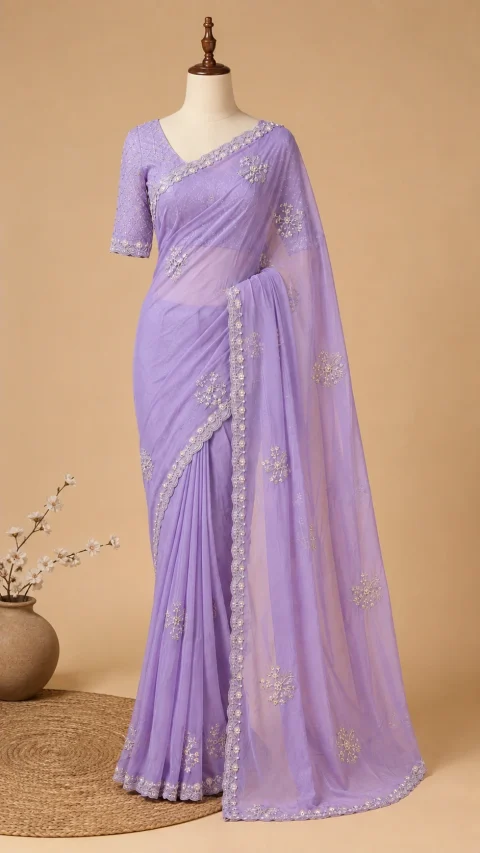
Galloria
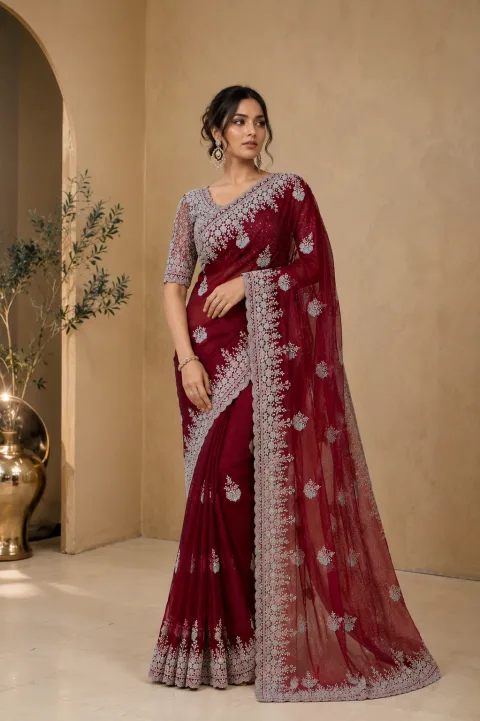
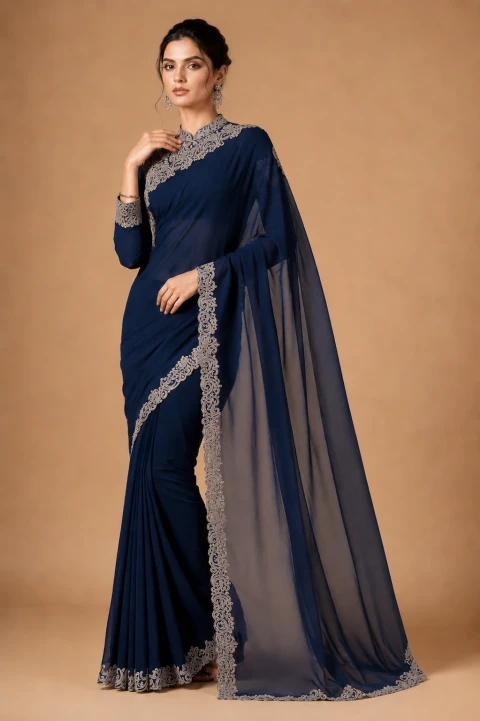
Galloria Collections
Explore other categories
Continue shopping across Galloria’s collections.
About Premium Sarees
A premium saree is not merely fabric draped around the body — it is a textile archive of loom, lineage, and occasion. At Galloria, our Premium Sarees edit gathers pieces chosen for weave integrity, yarn quality, and the quiet authority of a drape that holds its line through an evening. Whether you favour a dense Kanjivaram with temple borders or a lighter Chanderi that moves with breathable ease, the standard is the same: cloth that earns its place in a lasting wardrobe.
Judging a saree by colour alone misses what matters most. Look at the border–body contrast, the crispness of the zari or thread work, the fall of the pallu when held against light, and how the fabric recovers after a gentle crush in the hand. A truly premium piece reveals itself in these small tests — not in marketing adjectives. Our curation privileges sarees that photograph with depth, wear with comfort across long ceremonies, and still feel special when worn years later.
This guide is written for the woman who already knows what she likes and wants sharper language for what she is evaluating. Use it to compare weaves, match fabrics to climate and occasion, and care for pieces that deserve more than a hurried dry-clean bag. Pair your drape with complementary jewellery from our premium and anti-tarnish edits when you want a complete Galloria look.
Occasions
- Wedding ceremonies
- Reception dinners
- Temple festivals
- Engagements
- Formal cultural evenings
- Festive family gatherings
Buying guide
How to judge weave and hand-feel
Run the saree between your fingers: quality silk and fine cotton-silk blends feel cool, dry, and slightly granular rather than plasticky. Hold a panel to a window — premium yarn transmits light evenly without cloudy patches. Check the reverse of the border and motifs; clean, intentional floating threads signal careful weaving, while loose, messy floats often mean rushed production. A firm yet flexible fall is preferable to either cardboard stiffness or limp collapse.
Border, pallu, and motif reading
The border should meet the body with a deliberate transition — not a muddy bleed. On traditional silks, temple, coin, peacock, and floral motifs should remain legible at arm’s length. The pallu carries the visual climax: its density, length, and finishing tell you how the saree will read when draped. Prefer pieces where the pallu design continues a conversation with the border rather than appearing pasted on as an afterthought.
Weight, climate, and wear duration
Heavier silks suit air-conditioned halls and winter weddings; lighter georgettes, chiffons, and Chanderi excel in humid daytime functions. If you expect to stand for hours — receptions, temple ceremonies, destination weddings — prioritise breathable weaves and a blouse fabric that does not trap heat. Weight also affects how the pleats sit: denser cloth holds knife-pleats; softer fabrics need more pinning and a skilled drape.
Occasion matching without overthinking
Temple visits and daytime pujas favour restrained colour and modest zari. Mehendi and sangeet invite brighter grounds and lighter movement fabrics. Wedding ceremonies and formal dinners call for richer silk, stronger contrast borders, and jewellery that can match the saree’s visual weight. Keep one versatile cream or soft gold silk in your rotation — it travels across rituals with only a change of blouse and jewellery.
Price-to-value beyond the tag
A higher price should buy better yarn, denser weaving hours, and finishing that survives repeated wearing. Ask what you are paying for: pure silk versus blend, handloom cues versus powerloom uniformity, genuine zari versus metallic polyester. Galloria’s premium tier is curated for pieces that justify their cost through longevity and presence — not through logo theatrics. If two sarees look similar in photos, compare hand-feel and reverse-side craftsmanship.
Blouse and petticoat as part of the purchase
Budget for a well-fitted blouse; an ill-cut blouse undermines even a museum-grade saree. Match blouse fabric weight to the saree so seams do not pull. Choose a petticoat in a close shade to the saree body to avoid show-through, with a secure drawstring or elastic that will not loosen mid-event. Keep spare safety pins and a small sewing kit for travel — premium drapes deserve practical backup.
Fabric guide
- Kanjivaram silk
- South Indian mulberry silk known for contrasting borders, temple motifs, and substantial drape. Ideal for weddings and formal ceremonies; expects careful storage and professional cleaning for zari-heavy pieces.
- Banarasi silk
- Varanasi weaves celebrated for brocade, floral jaals, and Mughal-inspired patterns. Often richer in metallic yarn; pair with structured blouses and statement jewellery that can hold visual balance.
- Tussar silk
- Wild silk with a natural, slightly textured sheen and earthy undertones. Excellent for daytime weddings and cultural events; drapes with organic movement rather than high gloss.
- Chanderi
- Lightweight cotton-silk or silk with a characteristic translucent shimmer. Favoured for summer functions and elegant daywear; needs a well-matched petticoat to manage opacity.
- Organza
- Crisp, sheer silk or silk-blend with architectural hold. Suits contemporary drapes and structured blouse silhouettes; handle gently to avoid permanent creasing at fold lines.
- Georgette
- Matte, fluid weave that pleats easily and travels well. A practical luxury for receptions and multi-event trips when you want movement without heavy silk weight.
- Chiffon
- Soft, airy drape with romantic fall. Best for evening gatherings and lighter jewellery looks; pin thoughtfully so the fabric does not slip at the shoulder.
- Crepe & linen silk blends
- Crepe offers controlled stretch and a modern matte surface; linen-leaning blends bring breathability and a refined casual-luxury feel for brunches and daytime festivities.
Care guide
- Air the saree after wearing before folding — residual perfume and skin oils weaken fibres if trapped overnight.
- Store pure silks in breathable cotton covers, folded with acid-free tissue at the folds; avoid plastic bags that trap moisture.
- Rotate fold lines every few months so permanent crease damage does not set into the weave.
- Dry-clean zari and heavily embroidered pieces; for lighter chiffons and georgettes, follow the care label and use a gentle mesh bag if home-washing is advised.
- Keep sarees away from direct sunlight in storage — dyes and metallic yarns fade and dull unevenly.
- Never hang a heavy silk by the pallu alone for long periods; support the weight or fold flat to protect the weave.
Styling tips
- Let a dense Banarasi or Kanjivaram lead: keep the blouse classic and let jewellery echo one motif colour rather than competing with the entire palette.
- On Chanderi and organza, choose a blouse with clean lines — boat necks and subtle sleeves keep the translucent fabric feeling intentional.
- For destination weddings, pack one mid-weight silk and one fluid georgette so you can adapt to hall temperature and outdoor humidity.
- Match metal tone of jewellery to the saree’s zari: warm gold with antique borders, rose-gold or pearl with soft pastels.
- A contrasting blouse works when the saree body is solid or lightly patterned; patterned sarees usually prefer tonal or quieter blouses.
- Finish with a neat, secure drape at the shoulder — premium fabric deserves a polished last pin, not a precarious tuck.
Frequently asked questions
- How do I tell if a premium saree is real silk or a blend?
- Real silk usually feels cool and dry, with a natural irregular sheen rather than a flat plastic shine. The burn test is unreliable on finished garments — instead check product details, yarn description, and the reverse of the weave. At Galloria, fibre notes are listed on product pages so you can compare silk, silk-blend, and alternative weaves before you buy.
- Which saree fabric is best for a humid outdoor wedding?
- Choose lighter Chanderi, georgette, chiffon, or fine Tussar over dense brocade when you will be outdoors in heat. They move air better and recover from travel wrinkles more easily. Reserve heavy Kanjivaram and Banarasi for cooler halls or evening pheras where the weight reads as grandeur rather than burden.
- What should I look for in a Kanjivaram border?
- Look for a sharp contrast between body and border, even temple or traditional motifs, and a border that feels woven into the cloth rather than applied. The joining line should be clean. A well-made Kanjivaram also shows consistent zari brightness without patchy dull zones across the length.
- Can I wear the same premium saree for multiple wedding functions?
- Yes — change the blouse, jewellery density, and hair styling to shift the mood. A cream or muted gold silk can move from a daytime ceremony to an evening reception with heavier jewellery and a richer blouse. Avoid repeating the exact same accessories if guests overlap across events.
- How should I store a zari-heavy saree at home?
- Fold with soft tissue at crease points, wrap in breathable cotton, and store flat in a cool cupboard away from damp walls. Do not stack heavy objects on top. Every few months, refold along different lines. Professional cleaning before long storage helps remove oils that attract insects and dull metallic yarn.
- What blouse neckline suits a heavily patterned pallu?
- A simpler neckline — square, boat, or soft round — keeps attention on the pallu when it falls forward. Heavily cut-out or heavily embellished blouses can fight a dense pallu. If the saree body is quieter and the pallu is the hero, you have more freedom to play with sleeve detail.
- Are lighter fabrics like chiffon still considered premium?
- Premium is about yarn, finishing, print or embroidery quality, and drape — not weight alone. A finely finished chiffon or georgette with considered borders and colour depth belongs in a luxury wardrobe, especially for travel and multi-day celebrations where heavy silk is impractical.
- How do I choose jewellery for a premium silk saree?
- Match visual weight: dense brocade welcomes statement necklaces or temple sets; lighter Chanderi prefers refined chokers, pearls, or anti-tarnish everyday elevates. Echo one colour from the border in your earrings or maang tikka rather than introducing an unrelated palette. Explore Galloria’s jewellery categories for metal tones that suit your drape.