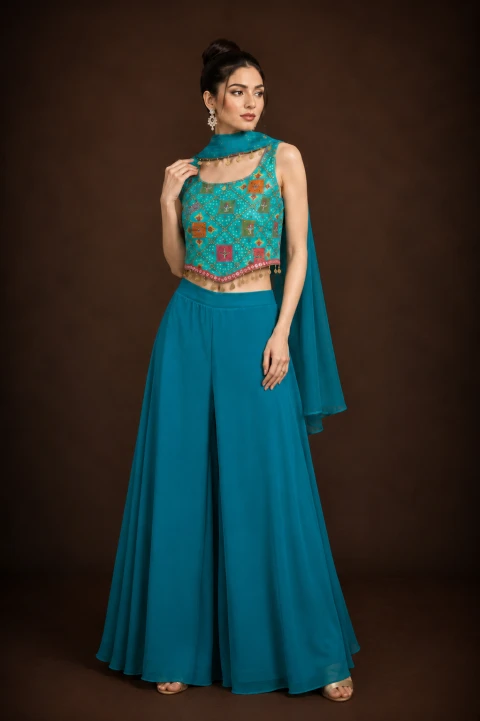
Co-ord Set for Women — Designer Ethnic Sets
Designer Co-ord Set
Affordable picks · starting from ₹2,500
Almost Gone
Last pieces in this edit — once they’re gone, they’re gone.


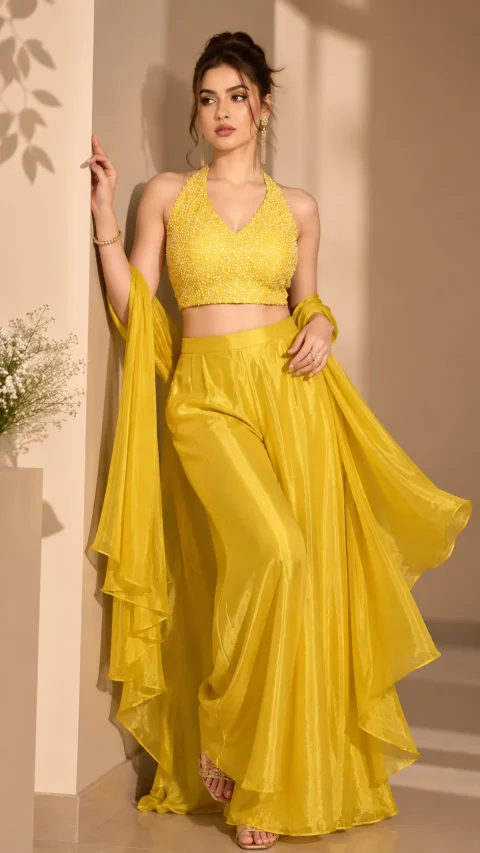
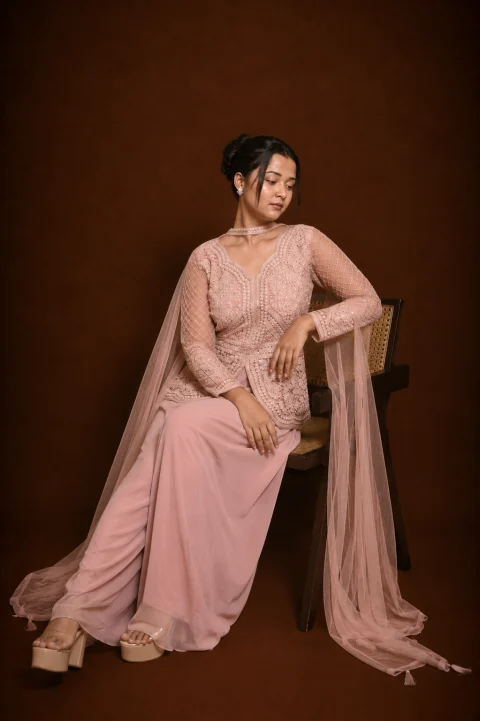
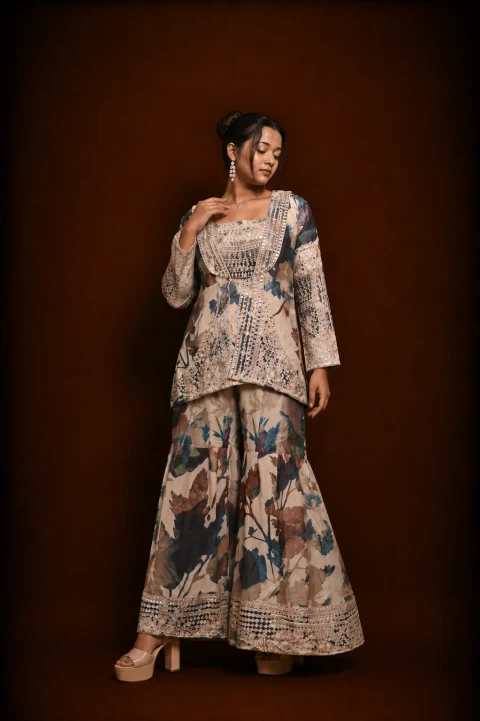


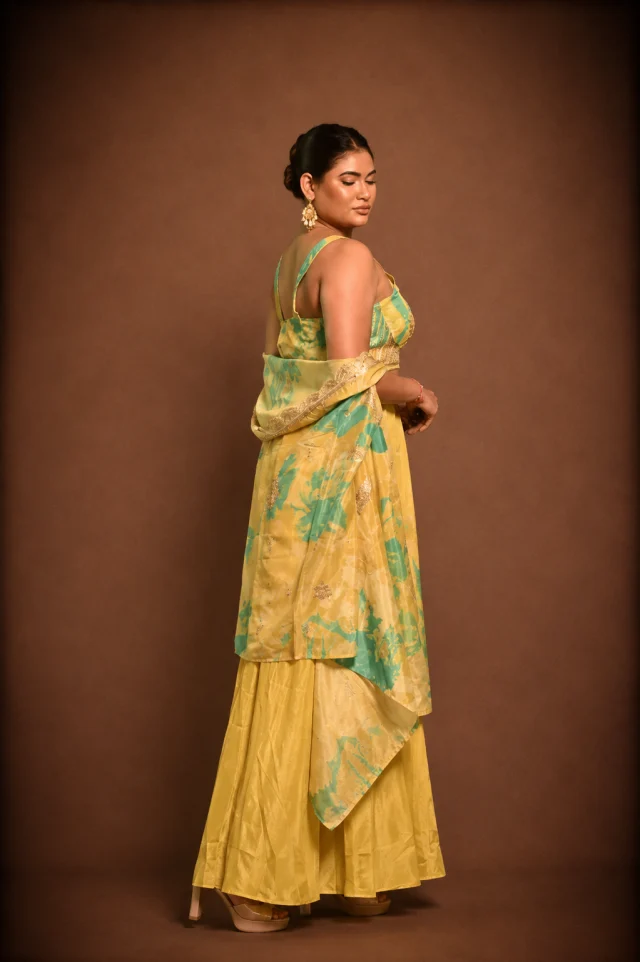

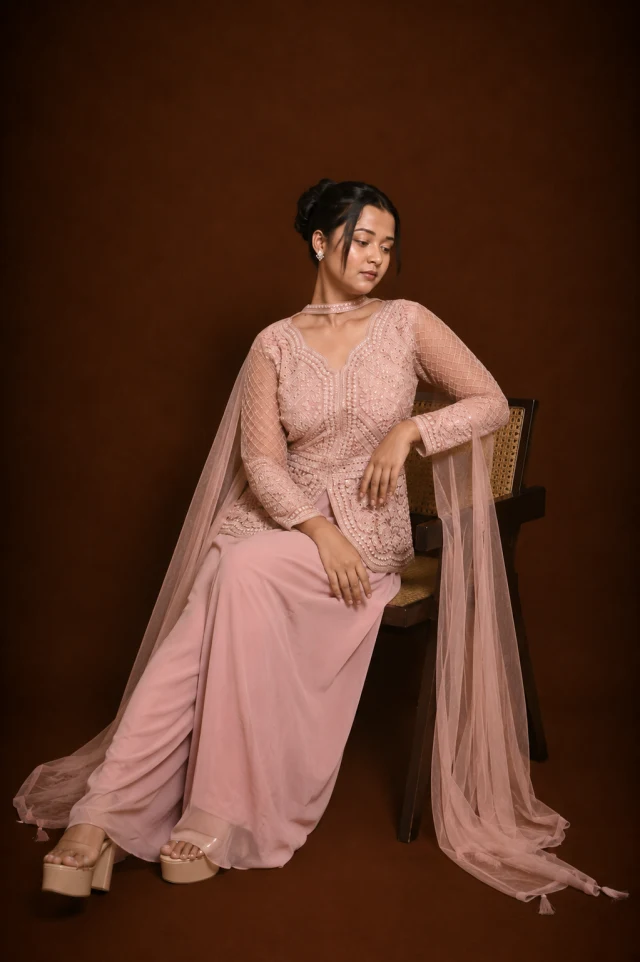
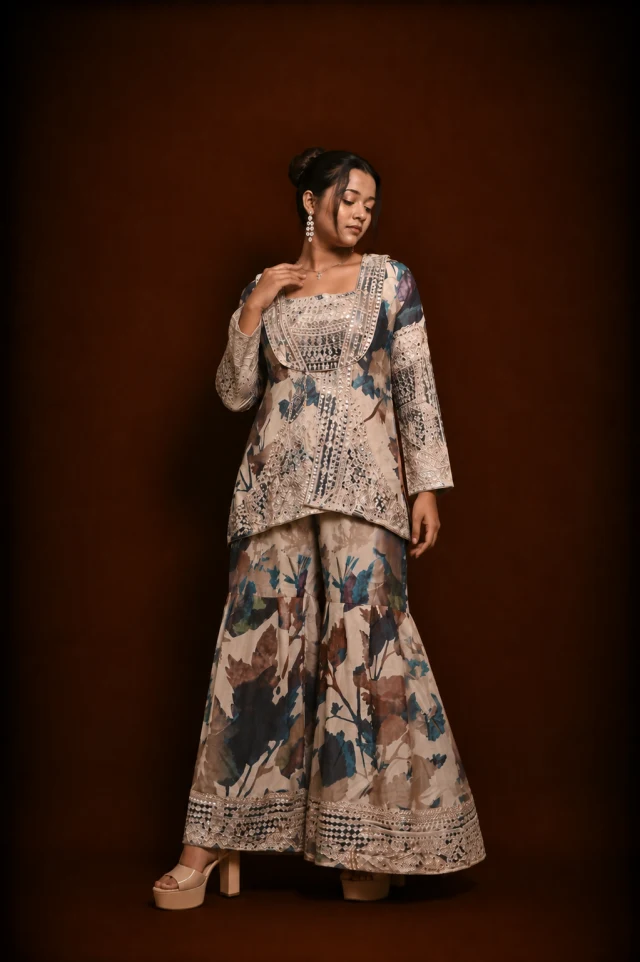
Galloria Collections
Explore other categories
Continue shopping across Galloria’s collections.
About Designer Co-ord Set
A designer co-ord set is the modern answer to outfit anxiety: two (or more) pieces engineered to speak the same visual language so you step out already composed. Galloria’s Designer Co-ord Sets favour balanced proportion — cropped jackets with high-waist pants, kurta-sharara dialogues, skirt sets with deliberate hem weights — rather than loosely matched separates sold as a pair. The goal is coherence with room for your own jewellery and footwear to personalise the story.
Because co-ords do so much of the styling work, quality of cut matters even more. Waistbands should sit securely, embroidery should align across top and bottom, and fabrics should share the same hand so one piece does not shine while the other goes matte. We select sets that photograph as intentional ensembles and still feel wearable through long event days, airport transfers, and warm outdoor venues.
Use the guidance below to choose silhouettes for your body and calendar, understand fabric pairings, and care for matched embroidery. When you want contrast instead of a full match, our designer kurtis and sarees offer alternate routes — and jewellery from Galloria finishes the set without clutter.
Occasions
- Sangeet
- Mehendi
- Cocktail evenings
- Destination welcomes
- Festive parties
- Anniversary celebrations
Buying guide
Understand the silhouette contract
Every co-ord makes a volume agreement: fitted top with flared bottom, boxy jacket with slim pant, or balanced flare through both. Breaking that agreement with the wrong under-layers or footwear can make a polished set look accidental. Identify whether the designer intended vertical length, cropped sportiness, or ceremonial sweep — then style inside that logic.
Shared fabric and print alignment
True designer co-ords share dye lot, print scale, and embroidery density. Check that motifs align at centre fronts and that pant or skirt fabric matches the top’s opacity. Mismatched sheerness between pieces is a common quality fail. If the set includes a third piece (cape, shrug, dupatta), confirm it is cut from the same story, not a vague colour cousin.
Fit as a system, not two independent garments
Size for the more structured piece first — often the pant waist or the jacket shoulders — then tailor the other. A top that fits while pants gap at the waist is not a successful co-ord. Read whether the set is sized as one unit or as separates. Movement-test sitting, stairs, and raising arms; co-ords reveal fit issues quickly in real motion.
Event mapping
Sharara and garara co-ords suit mehendi and sangeet energy. Sleek pant sets excel at cocktail dinners and destination welcome evenings. Skirt co-ords bridge daytime photo shoots and evening cocktails when fabric is elevated. Choose embellishment density for how much dancing and travel the day includes — heavily mirrored pants are beautiful until they catch on every chair.
Price-to-value of a matched set
You are paying for design unity and often for more fabric and finishing hours than a single kurti. Value rises when you can restyle pieces independently later — a jacket over jeans, pants with a simple blouse. If pieces cannot separate gracefully, make sure the full set will see enough occasions to justify the investment.
Alterations without breaking the match
When shortening pants or skirts, preserve embroidery placement near hems where possible. Keep leftover fabric for future repairs. If taking in a jacket, maintain sleeve embroidery symmetry. Work with a tailor who understands ethnic co-ords — uneven hems between matching pieces are immediately visible in photos.
Fabric guide
- Georgette co-ords
- Fluid, camera-friendly, and danceable. Excellent for sangeet and outdoor evening events; pin or tailor for a secure waist.
- Crepe sets
- Matte polish and tailored ease. Strong choice for dinners and travel days when you want structure without stiffness.
- Silk-blend ensembles
- Richer depth for formal daytime and evening functions. Watch climate — choose lighter weaves for humid destinations.
- Organza and tissue overlays
- Add ceremonial lift to jackets, capes, and skirts. Require careful packing and gentle handling at fold lines.
- Cotton-silk day sets
- Breathable luxury for brunches, intimate ceremonies, and welcome lunches where comfort equals elegance.
- Net and embroidered panels
- Deliver drama when well lined. Prioritise soft inner layers so embellishment never scratches mid-event.
- Linen-leaning contemporary sets
- Textural and modern for daytime fashion-forward gatherings; embrace natural creasing as part of the aesthetic.
- Velvet and winter-weight accents
- Seasonal richness for cooler night events. Best as jackets or trims rather than full heavy sets in warm cities.
Care guide
- Clean co-ord pieces together when possible so colour ageing stays matched across the set.
- Store hanging as a pair, or folded with tissue between embroidered surfaces so motifs do not interlock and pull.
- Avoid steaming so close that embroidery adhesives soften; use controlled distance and movement.
- Pack sets in the same garment bag compartment to prevent one piece travelling more roughly than the other.
- Check hooks, zips, and drawstrings on both pieces before each wear — a co-ord fails if one half cannot close securely.
- After monsoon or humid events, dry thoroughly before storage to protect shared linings and metallic threads.
Styling tips
- Let the co-ord own the colour story; add jewellery in a single metal tone so the outfit stays architectural.
- For sangeet, choose sets with secure waistbands and test dance movement before the event day.
- Break the set intentionally after the season — wear the jacket over denim or the pants with a solid blouse for extended value.
- If the top is heavily worked, keep the hairstyle smoother; if the bottom is the drama, experiment with softer waves.
- Footwear should respect hem weight: block heels stabilise shararas; sleek heels sharpen pant co-ords.
- Carry a compact clutch that picks one accent colour from the embroidery rather than introducing a new print.
Frequently asked questions
- What is a co-ord set in Indian ethnic wear?
- It is a matched ensemble — typically a top with pants, skirt, sharara, or garara — designed to be worn together through shared fabric, colour, or embroidery. Unlike separately shopped kurtis and bottoms, a co-ord is conceived as one outfit. Many Galloria sets still allow creative restyling later, which increases wardrobe value.
- Are co-ord sets appropriate for Indian weddings?
- Yes, especially for mehendi, sangeet, cocktail, and welcome events. For core pheras or very traditional ceremonies, some families still prefer sarees or lehengas — follow the host’s tone. A richly finished co-ord with elevated jewellery can be fully wedding-appropriate in modern and destination celebrations.
- How do I choose the right size when top and bottom fit differently?
- Prioritise the piece with less stretch or more structure, then plan minor tailoring on the other. If the brand sizes the set as one unit, use the size chart’s bust and waist guidance carefully. When between sizes, consider which alteration is easier for your tailor — taking in a waist is often simpler than letting out embroidered seams.
- Can I wear co-ord pieces separately?
- Often yes — and that is a smart way to improve cost-per-wear. Jackets and structured tops mix well with solid bottoms; embroidered pants can pair with a simple blouse. If embroidery is extremely continuous across the set, separates may look incomplete, so judge by motif placement before splitting the look.
- Which co-ord silhouette is best if I want to dance for hours?
- Choose secure waistbands, breathable georgette or crepe, and bottoms that clear the floor enough to step freely. Avoid ultra-heavy mirror work at the hem if you will move constantly. Test sit-to-stand and spin movements at home. Keep jewellery relatively close to the body to reduce snagging.
- How should I pack a co-ord set for a destination wedding?
- Fold with tissue between embellished faces, or hang in a garment bag if your travel allows. Keep both pieces together. Pack a small sewing kit for hooks and hangs. On arrival, steam gently and check alignment of the set before the event evening — destination humidity can relax waistbands and linings.
- What jewellery suits a heavily embroidered co-ord?
- Edit ruthlessly: one hero piece usually beats a full traditional stack. If the neckline is busy, emphasise earrings or stacked bangles. If the neckline is clean, a refined choker or contemporary necklace works. Anti-tarnish jewellery is practical for multi-day wear when you sweat and dance.
- How is a designer co-ord different from a simple two-piece kurta set?
- Designer co-ords emphasise proportion, finishing, and a deliberate visual concept across both pieces. Simple kurta sets may match in colour but lack the same cut precision or surface integration. Look for aligned embroidery, intentional cropping, and fabric coherence — those details signal design, not just pairing.